Poetry and Prose by #1 Amazon Bestselling Author of Nature Speaks of Love and Sorrow, Co-Author of #1 Amazon Bestseller, Wounds I Healed: The Poetry of Strong Women, and Jan/Feb 2022 Spillwords Press Author of the Month
I love the sound of skateboard wheels. That tik tak sound they make as they come into contact with the pavement. It reminds me of growing up in Southern California, and of the skateboarding I did as a youth.
It is interesting to consider how sounds take us back to particular times in our lives. For me, the sound of skateboard wheels remind me of a simpler time. A time when getting up on a bright sunny morning, included having breakfast, watching a skate video, and taking to the streets with my board.
That tik tak sound also reminds me of my first experiences with punk rock, which is an often cited contributor to skate culture. Though I don’t skate anymore, I still regularly listen to punk rock. Fun.
Skateboarding also reminds me of freedom. When out skating, it’s just you and the streets, or ramp, or riverbed. Not much else there. You and the board, and the creativity that lives inside you. Creating new tricks, trying new things, pushing yourself further.
The sound of wheels also remind me of roller skating. Especially, roller skating at the local roller rink. Totally 80’s. I remember being dropped off at the roller rink as a pre-teen, hanging out with friends, and going around and around again. For hours.
Now, we are talking about the early 80’s and the music playing in those roller rinks was that early MTV mix between disco and new wave, with a splash of dance pop. Wow. I loved that music then. I listened to so much of it at that time, that today I don’t fancy it as much.
Nonstop 80s Greatest Hits Best Oldies Songs Of 1980s Greatest 80s Music Hits YouTube
The roller rink was the place where kids would let loose, and just be. Away from all of the school drama and parental pressure. Just be kids. I also loved the creativity that came inside of the roller rink. Creating different ways to roller skate, like skateboarding, trying new tricks, and new things.
Roller rinks, however, are mostly a thing of the past. When we moved to where we now live, we passed a roller rink on the outskirts of town, and it was a sad sight. Dilapidated building, rotting, and falling down. No music playing in that building any more.
Skateboarding on the other hand, is still rather present all over the country. On my daily walk, I pass a skate park, where, up until about a week ago, kids and youth were not allowed to skate, due to COVID-19. Now it has reopened, and if you walk by on a weekend afternoon, you can hear that familiar tik tak sound of the wheels hitting the pavement. I love that sound.
Recently, on a daily walk, I passed a blue bird. The bird was perched on a tree stump, waiting, watching. As I came around the corner, the bird looked up, seemed to notice me, then flew to a tree branch just a few feet away. I continued toward the bird, wondering, watching.
As I continued toward the bird, it again took flight, this time flying toward the park and the many trees surrounding it. It again perched on a tree branch, not too high, not too low, just about the right height for me to still see it, as if I was supposed to. I followed.
I drew closer, and the bird stayed on the branch. I wondered to myself whether or not the bird would once again take flight, not wanting to startle it, I moved slowly toward the tree. As I got closer, I had a realization.
The realization was this – that the the dance I was doing with the bird reminded me of writing, especially writing in previous years.
When I used to write, I would sit down with an outline in hand, and follow that outline as I was taught. It never occured to me that there was another way to write. Not for a long time. It was not until about a year ago, maybe 2, that another way showed up. Literally.
What I mean is that when the timing is right, and the subject is right, the words flow as if they were previously created, and I am remembering them. However, the words were, and are, not something I’ve created, nor written before. They are, however, words and strings of sentences, and concepts that I have thought of before, or learned somewhere before.
It is interesting. The real difference is the inspiration behind the writing. That is the difference to me. When I am inspired about what I am writing, as I am in this moment, the words just show up. Simple. However, when I am not inspired, as I was last Saturday, they do not come so easily, or I force them, which never really works, and is not in the least bit healthy.
I would know about forcing writing. I forced a 100 page thesis to completion about 5 years ago, only to have to start it all over again. Uncomfortable. Yet, as I’ve written in other posts, it is in the most uncomfortable moments where you can grow the most. Ultimately, redoing my thesis made me a better writer, and the thesis a better final product.
Where, then, do we find the inspiration to write; to have the words just flow as if they were always meant to find the page. That I do not know. I do know, however, that practice and patience help. As does an openness to writing in new ways, about new things. Effectively, trying something new.
So, when you find that the words do not come, be patient, and continue to write. Write something else. Try something new. Then, maybe in the writing of something new, or in the trying of something new, you will find the words will flow onto the page; and, may even make their way to the other pages of the other things you are writing.
This week I’ve been reflecting upon authenticity and vulnerability and their relationship with transformation. Though I’ve been reflecting upon authenticity, vulnerability, and transformation in regard to the team I work with, it is impossible to consider these concepts without considering the individual. They are completely interconnected. You cannot have one without the other. They reinforce each other.
I spent many years thinking I was authentic and vulnerable, however, that authenticity and vulnerability were always lived out within a limited framework. When things got too scary, I would withdraw, or hide. Know that many people live this way, some are aware, some are not. I was not aware for a long time.
Being authentic means living in all of your contexts the same way. Where you show up the same no matter what you are doing. Many people have performances for work, for home, for friends, etc. Just like I did. However, to live a completely authentic life, you perform the same way in every context. You are the you that you know yourself to be everywhere and with everyone.
Of course, being authentic in this way, can be uncomfortable for you, and for those around you. Especially if the people around you have a particular view of you that they are attached to, and you are not showing up as they expect you to. However, when you are living an authentic life, and are being true to yourself, you are beginning to live a life without limits.
Limitations are superimposed by ourselves on ourselves when we are trying to live up to a standard that someone else has set for us, whether that be parents, caretakers, partners, or peers. When you remove these limits, by living authentically, you create new possibilities for your life. And, you also create new possibilities for those around you.
Know that those around you may not always want to partake in these new possibilities, especially if they are living in the past, waiting for you to show up in the performance of you that they expect of you. However, that is their expectation, and need not be yours. You can live an authentic life. It is not easy, yet it is there to be lived, and it is transformational.
Living a transformational life, opens you up to a whole new possibility. The possibility of stepping out into the world knowing that there is far more to learn than you could ever know. More, it is actively seeking contexts where you can experience the many things you don’t know. Especially when that learning makes you uncomfortable, which, for me, is the height of being vulnerable.
When we are vulnerable we provide ourselves the opportunity to learn as much as we can while we are living on this planet. And, we also create the possibility that those closest to us also get to live a life full of that same possibility. A life without limitations.
Again, those closest to us may not want to live a life without limitations. For a life without limitations can also be difficult. When you are open to all new things, new ideas, new ways of being and doing, you develop and iterate as an individual. And, when you are around people that do not develop with you, you can find it harder to be compatible with those people, and they you. Difficult.
Yet, this difficulty, is also transformational. It is transformational because through these difficulties you will learn a lot about who you are, and who other people are. I am grateful for those people in my life that actively resist the person I am today. They help me understand more about myself, more about them, and more about humanity in general.
You will also have those people in your life that want to develop with you. Also a transformational experience. Getting to see people develop around you is one of the most exceptional experiences I’ve ever had. It is inspiring, and insightful.
And, when you are around people that are interested in your development, actively participate in it, and develop themselves alongside you, you also get to develop together. Reciprocal development like this, breeds transformation.
Living an authentic and vulnerable life can be difficult, however, the experience you get out of living this kind of life is more than worth while. In fact, I would say that the difficulty, uncomfortability, pain, and uneasiness in venturing into the unknown is really what living life is all about.
For, it is in the experiences we have where our heart rate increases, and sweat beads on our brow, where we know we are truly living. Living an authentic, vulnerable, and transformational life. And, that life awaits you. You just have to take that first step.
I used to believe that I was my emotions. Confusion. I did not know then, like I am beginning to understand now, that emotions simply happen. They, like thoughts, are a product of the very human stimulus response system.
When something happens in our context, we have a thought about that happening, and that thought will usher in an emotion. That emotion will be a product of the thought pattern, simple.
However simple that seams, people do not always find it simple to understand how their emotions work. Why is this so? Most people are not taught how to understand their emotions. Why? Because their parents or caretakers did not know how to understand their emotions either. A cycle.
And, the cycle is created again each generation. A large part of why the cycle continues, is that people are afraid of their emotions. Then you have, people that are not taught how to understand their emotions, while also living in fear of their emotions. A very difficult combination. I know, I lived in it most of my adult life.
However, what I have come to realize is that we are not our emotions. We are not, then our fear. We have emotions, we have fear, yet we are not those emotions, or that fear.
In order to understand our emotions, as I’ve written in other posts, we have to look at your feelings, and begin to question why we feel the way we do. Not a simple task. In fact, it can be quite painful. However, on the other side of this pain is release.
A release from the suffering, which may manifest itself as resentment, grief, sadness, anger, frustration, or any other feeling, you’ve been holding onto. Looking into these emotions and their associated feelings is a discovery process, which can enlighten us to new ways to understand our own humanity.
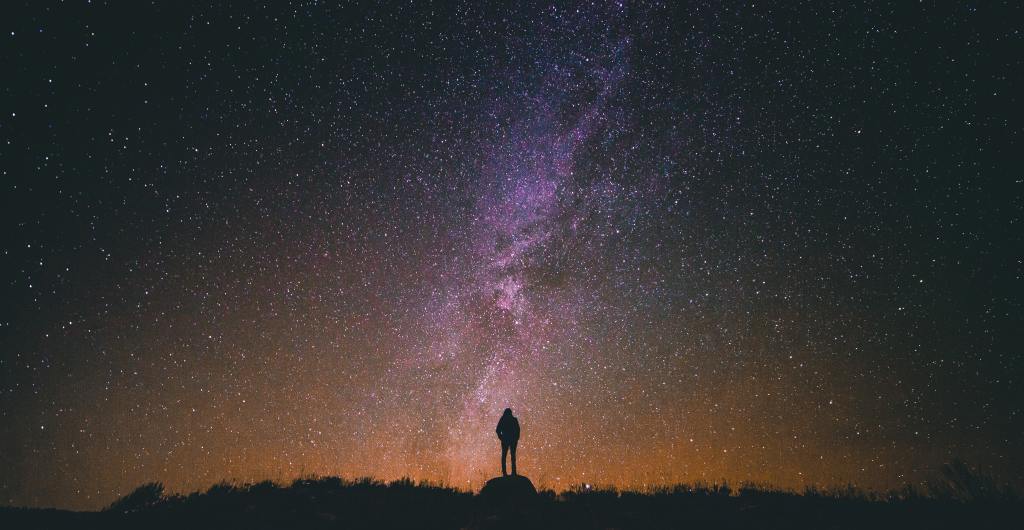
Photo by Greg Rakozy on Unsplash
I’ve been looking into my emotions for a couple of years now. In this time, I’ve come to realize that there is nothing to fear about our emotions, and those feelings, which often don’t feel so great. When we take the time needed to understand why we feel as we do, we can begin to heal.
Heal from whatever suffering we’ve been holding onto. And, in our healing we create the possibility that those around us can also heal. How is this so? Because as we begin to understand our feelings, we learn about ourselves. And, in our learning, we create a deeper understanding of other people’s suffering.
When we understand other people’s suffering, because we understand our own, we can stand with them. We can give ourselves compassion, and then give compassion to others as well. Realizations like this, and the associated practical work needed to create this realization, also creates a deeper understanding of the human experience, of which having emotions is a part.
I used to think that the human experience was about “being happy,” or finding my purpose. I’ve since come to realize that happiness, and purpose, like our emotions, live within us. Because they live within us, it is our responsibility to understand how they function. Both pain and happiness, and fear.
However, I’ve also come to realize that though we have fear, like anger or frustration, or any other emotion, we are not our emotions. However, when we hold onto an emotion, like fear, what happens? We get more of it, which is why people become confused, as I once did about anger, believing that they are that emotion. No so.
We are no more our emotions, than we are our thoughts. Emotions happen. They are a reaction to our environment, a response. When we understand this as true on an intellectual level, it is helpful. And, when we understand it on a visceral level, it is freedom.
Freedom from the cage we’ve constructed for ourselves. Cages made of fear, anger, frustration, etc. You are not your emotions, and you are not your thoughts. Therefore, dear reader, you are not your fear. You just are. I take great peace in this knowing, and hope that you might too.
As I’ve written about in other posts, my father died last July. Up until that time, the only other real death I had been exposed to was that of my grandparents. Not the same thing, when you have a parent pass away.
The pain that came with my father’s passing was excruciating. Yet, it was necessary and needed for me to feel that pain. I’ve spent the better part of my life running from my emotions. Covering them up with drinking, eating, anything really, to keep the pain at bay. Totally unaware and disengaged.
I read a blog post recently about the benefits of crying by Maja on Lampelina, and it reminded me of the necessity and need to be aware of our emotions, and to feel them, and to release them.
When I was unaware of, and disengaged from my emotions, expect for the ones that I was able to feel and release, such as anger and frustration, I had tons of pent up shame, sadness, and grief. Still do. I am now doing these emotions, which means I cry often.
I know when there is a need within me to cry, because the familiar emotions of anger and frustration will surface, which is the first sign that I am holding onto, not paying attention to, and avoiding my true feelings.
Many people live their whole lives this way. One of the issues with this, outside of the negative health ramifications, is that when we avoid difficult emotions, like shame, sadness, and grief, it keeps us from truly living.
We cannot lead a rich and full life without an awareness of our emotional selves. Further, we must regularly work at, or practice our emotions, and be in touch with them, no matter how painful they are. Actually, the more painful the emotions, the more the need to be in touch with them.
Though I have experienced love throughout my life, it is only now that I can fully experience love in a way that is almost painful. It is cliche to write, you must know love to know loss, and you must know loss to know love. However, it is true. More true than I ever really knew.
Today, on this Memorial Day, I’m thinking about my father quite a bit, reflecting upon the pain that he had and held, which went unprocessed. It fills me with great sadness. Yet, I know it happened as it was supposed to. And, I know that one of his legacies is having a son that is in touch with his emotions today, more than ever before.
That I’ve had the opportunity to learn about and get in touch with my emotions means that I can stand for his grandsons, and help them understand, when they are ready, their emotional selves. This is the essence, for me, of love and loss, and the pain that can come in both.
I have never before known pain that functions this way. Pain that is both healing and transformative. I’ve spent most of my life avoiding pain, and that was my confusion. Because it is through pain that we can receive the greatest gifts of understanding.
We can better understand ourselves, and all of those around us. Today, love and loss, and the pain that comes through both, are more alike to me today than ever before. Though I once avoided my pain, I now welcome it, as I know that the pain I feel through love and loss are needed to live the fullest life possible.
I love the ocean. Love. Growing up in Southern California meant that the ocean was never far away, and was, in some way, part of your life. I have tons of memories of going to the beach with my parents as a kid, as a teenager with friends, and less so as an adult, though I have many memories of the time I worked at the beach.
The smell of the salted sea is one of the most profound of those memories. I also always had an inner knowing that it would be there. Just to drive by and take it in, and in those moments, to live in awe and wonder.
As a kid, we took family trips to the beach often. We lived about 30 miles from the beach, which, at that time, was about a 45-minute drive. My sisters, parents, and I would set up in the sand, towels demarcating your space for the day. Then we would play, in the sand and, of course, in the water.
On the way home from the beach, we would always stop for “big sticks.” if you’ve not had a big stick, you are missing out. Well, at least the 7 year-old within me thinks so. These ice cream treats are made out of pineapple and orange, and are delicious on a hot sunny day. Just make sure to not forget them in the car when you get home. They are not so good once they’ve melted, though I’ve eaten many that way.
As I grew older my longing to be at the beach grew. I would often go with friends in the morning, afternoon, or early evening. The time of day mattered less than being there, though you get a different experience dependent on the time you go.
There is something so calming about looking out over the open sea. The vastness of the ocean, it’s size and depth, is hard to comprehend. However, just looking out over it, you, or at least I do, get a sense of the scope of your own self in relation to something that size. Humbling.
When I was a young adult, I used to drive to the beach just to take in the majesty of the open water. On days that were particularly difficult, seeing the ocean created a renewed perspective for me, reminding me that my immediate woes were temporary.
As I’ve mentioned, I also worked at the beach for a time, only blocks from the open water. Drives home during that time were particularly beautiful, taking in the ocean as the sun was beginning to dip behind the horizon. Beautiful, and breathtaking.
When our first child born was little we used to take him to the beach often. He would play in the sand, run around, make sand castles, and splash in the water and waves, just as I did when I was his age.
When our youngest was born, we decided to move from Southern California to Arizona, so our youngest son did not get to know the ocean as his brother, mother, and myself did. Though, he has since, and loves it as we all do.
I remember being in Arizona those first couple of months, being away from the ocean, with no real possibility of seeing or experiencing it. I have to say that that first year, I did have some increased anxiety about being away from the ocean. I felt as if I was boxed in, or in some way limited, without access to the ocean, which I had so come to cherish.
When we decided to move to Oregon, and I was looking into the local culture, I remember finding that the ocean was only 50 miles from where we were moving. Oh Joy! I was so excited. Going to the coast, which is what they call the beach in Oregon, was one of the first things we did, once we were settled.
We’ve take many trips to the Oregon Coast since then, and I do now know that I will, at some point, live, or have a place, at the beach or coast. This I know, like I know that I breathe.
On one of the last trips we made to the coast, sometime at the beginning of last year, I recognized something that I had not thought about, nor really heard in a long time. The sound of the ocean.
Do you remember being little, and picking up a cool seashell, and having someone say, “put it to your ear, and you can hear the ocean.” I remember the first time someone said that to me. I was perplexed, and very little. I did as they instructed, and sure enough, I could hear the ocean. Wow! How cool that was, and how could that be?
Knowing that the shell was capturing ambient noise, was not so important then, nor is it much important now, for it is the memory of the sound, which focused and drew my attention in. As I’ve written here, I’ve always been drawn to the ocean, and part of that draw is the majesty, the beauty, and the vastness. And, it is also the sound.
I love the sound of the ocean, the waves coming in, and going back out. Crashing on the beach head, and against other surf, splashing against the reef, and breakwater. Lovely.
On that trip last year, I also realized something else. The sound of those waves coming in and going back out, I realized were a mirror for our own breath. It sounds exactly like our breathing. Just like it. When I recognized this on that last trip, it was one of the most beautiful realizations I’ve ever had.
Maybe that is part of why I am drawn to the ocean. Because it lives and breathes just like we do. The waves come in and they go back out, in, and out. Just like our breath. It just happens.
I believe we are connected to everything around us. A tree, the sun and moon, the ocean, all of these things live outside of us, and they also live inside of us. All made of the same elements.
I’m so glad that I had that realization last year. It has taken my lifelong love of the ocean and amplified it. Though I don’t get to the coast or beach as often as I like, they are always with me, and within me. I know this to be true. And to be close to the ocean, all I have to do is pay attention to my breathing, and the ocean comes alive. Breathing in and out, just like the waves coming in and out. Again, and again.
When people think of, and talk about, mindfulness, they are usually drawing from a frame that mostly focuses on the individual and their psychology. That is the most popular way to think about mindfulness.
However, I think there are possible benefits to considering mindfulness from a sociological perspective, which might have implications for society as a whole.
Let’s first take a look at what mindfulness is, which will require examining the psychology of mindfulness. We will also take a practical look at the practice of mindfulness, and lastly will consider a new way to look at mindfulness, which is through a sociological perspective.
Mindfulness and Individual Psychology
I’ve practiced mindfulness and meditation the past couple of years. Though relatively new to mindfulness and meditation, I do know that mindfulness, and the theory and practice of it, are focused on the individual and their psychology.
Mindfulness is about focusing one’s attention on the present moment, on the thoughts that are occuring in that present moment, and the emotions and bodily sensations that accompany those thoughts (Lexico, 2020).
It is about becoming more aware of how your thoughts drive your behavior, and how that behavior, then, is a product of your thinking.
I’ve written in other posts that humans are programmed to create narratives, or stories, about their experiences. It is how people make sense of the world. However, when you create stories about your perceived reality, these thinking patterns can also overdramatize reality, which can cause pain and suffering.
Though we can speak of mindfulness as a theory, it is best, in my opinion, talked about in regard to practicing mindfulness.
Practicing Mindfulness
Practicing mindfulness is about creating an awareness around the way you think so you can disrupt negative thinking patterns, and replace them with positive ones. You can also think about it like, replacing those overly dramatic thought patterns, or stories, with reality. Creating distinctions between what really happened, and what you believe happened based upon your overly dramatized thoughts.
And, of course the thoughts that we draw upon to create an overly dramatized story are grounded in past experiences. These experiences can be something that happened recently, however, often they are from long ago, such as childhood experiences.
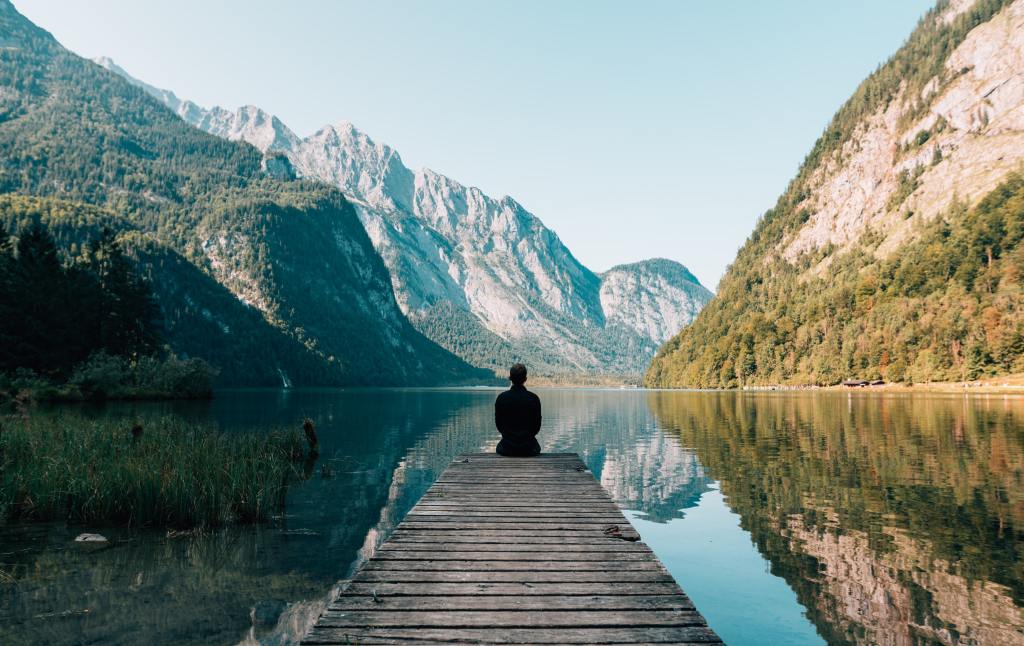
Photo by MI PHAM on Unsplash
When we create a storied reality, rather than experiencing reality as it is, or as it is happening, we are creating the possibility, and probability of more suffering.
Humans are drawn to drama. Drawn to creating it, and living in it, yet it is not the only way to live. We can shift our thinking by practicing mindfulness, creating increased awareness within ourselves that recognizes when we are living in our heads, as it were, instead of living in the moment.
Meditation is another tool utilized in a mindfulness practice. Practicing meditation can slow down the reactive mind, increasing the possibility of noticing when you are creating negative thought patterns, or are confusing reality with a story from long ago.
There is a lot of research on mindfulness and the distinct advantages on overall mental health, which is why we mostly see mindfulness written about in regard to the individual, or psychology. However, after practicing mindfulness for a couple of years, I can see far reaching implications for employing mindfulness across society.
However, before we look at mindfulness and the potential positive impacts on society, let’s take a look at the study of sociology, which takes group behavior as its research focus.
Sociologyand the Sociological Imagination
The study of sociology is the study of group behavior. More importantly, it is the understanding that can develop when one considers their place within a broader social context (Mills, 1959).
In 1959, C. Wright Mills wrote:
What they need, and what they feel they need, is a quality of mind that will help them to use information and to develop reason in order to achieve lucid summations of what is going on in the world and of what may be happening within themselves. It is this quality, I am going to contend, that journalists and scholars, artists and publics, scientists and editors are coming to expect of what may be called the sociological imagination (Mills, 1959).
In short, the sociological imagination is about understanding your place within a given society, or cultural context. It is about understanding how the social construction of that society or culture impedes, and or advances your particular milieux.
With that knowledge, one can better understand how their own personally context, and associated socialization and development, to a certain degree, were shaped by the social or cultural order in which they live.
That you are embedded within a broader social context, and having an awareness of how that context functions, is important to how you think, feel, and behave. It also helps us understand people in our context, those we know, and those we don’t, yet interact with.
Sociology and the Sociological Imagination in particular, help us understand the broader context within which we live, which provides us more information about how we relate to that social or cultural context, and how others in our immediate context also relate to that social or cultural context. Simply, it provides us more knowledge and a new way to think about and see our environment.
The Sociology of Mindfulness
When I think about the sociology of mindfulness , I’m thinking about people using mindfulness to gain an even deeper understanding of 1) their particular position in the social and or culture order in which they live; and, 2) how the knowledge of their position in the social and cultural context combined with practicing mindfulness might create more time for people to choose their next actions more thoughtfully.
As I’ve described in other posts, humans have reactive minds, which means that we often react to our environment with little time to think about the actions that we are creating and taking.
Mindfulness is the practice, as was aforementioned, of slowing down that reactive process. When the reaction process is slowed down, we have more time to choose the next action we want to take.
Photo by Austin Neill on Unsplash
If we have an increased likelihood of choosing a next action that we have actually considered thoughtfully, we have the opportunity to actual create new ways of being, understanding, and living. If we do not, we simply reproduce actions that we’ve taken before. And, if we create these new choices within a social or cultural order in which we fully understand, we have more power.
This, then, for me is the crux of the sociology of mindfulness. The intersection of conscious choice, and our own individual relationship to and within the social and cultural order in which we live.
When I searched the internet for the sociology of mindfulness, most of what I found was describing using mindfulness inside of sociology classes (WW Norton and Company, Inc. 2014). I also found one that talked directly about the sociology of mindfulness, and the possible impacts of considering mindfulness in regard to self-management and personhood (Huesken, 2019).
I did not, however, find an article that directly addressed the ramifications of practicing mindfulness on the social or cultural order. Though I did not find an article addressing the aforementioned, I do believe that practicing mindfulness is important to both the individual and the society or culture in which they live.
Further, I believe that developing a sociological imagination alongside a mindfulness practice may help people:
Better position themselves in their social or cultural contexts
Develop a state of mind that allows them to understand the social and cultural contexts more deeply in regard to their own individuality
Create more time to choose actions more thoughtfully within these contexts.
I’ve studied sociology for many years, and have practiced mindfulness and mediation these past couple of years; the combination of which, have created a deeper understanding for me of my position within the social order, and of the benefit of having more time to think and choose my next actions more thoughtfully.
When we have the time we need to choose our actions more thoughtfully, and are armed with more knowledge about the society in which we live, we create new possibilities for ourselves and all of those around us.
Mills, C W. “The Promise [of Sociology]” Excerpt from The Sociological Imagination. New York: Oxford University Press, 1959. URL.
W.W. Norton and Company Inc. (2014). Sociology and Mindfulness Meditation. URL.
Huesken, Aaron. (2019). Mindfulness, Self, and Society: Toward a Sociological Critique of Mindfulness Based Interventions. Queen’s University Kingston, Ontario, Canada. April 2019. URL.
I used to believe that inspiration, imagination, and innovation were all concepts that you needed to find. Similar to my post on motivation, I believed these concepts lived outside of me. As if, I could find them somewhere in the world.
And, it is true, we can see something that inspires us to imagine and innovate, however, what we see has very little to do with what we are actually seeing, it is, rather, the filter through which we see that matters.
What we see, and how we see, are products of how we think. If we believe the world is full of inspiration, we will find and see inspiration. If we believe the world is uninspired, then know matter how hard we try, we will not see inspiration.
Obviously, if we find and see inspiration, we will be inspired. And, conversely, if we do not find and see inspiration, we will be uninspired. If this is true, then, we can never really find anything outside of ourselves. What we see is a mirror of how we think. It all starts with us.
Finding inspiration is a process of looking inward. And, looking inward is the only real place you can find anything. It is the process of developing oneself, and creating inspiration that gives birth to imagination and innovation.
Funnily enough, when you find your inspiration, and you begin to imagine, dream, and innovate, these actions double back on themselves. Meaning that once you find inspiration within, your creative capacity is unleashed, and the imagination and innovation that comes forth breads more inspiration. A full circle, if you will.
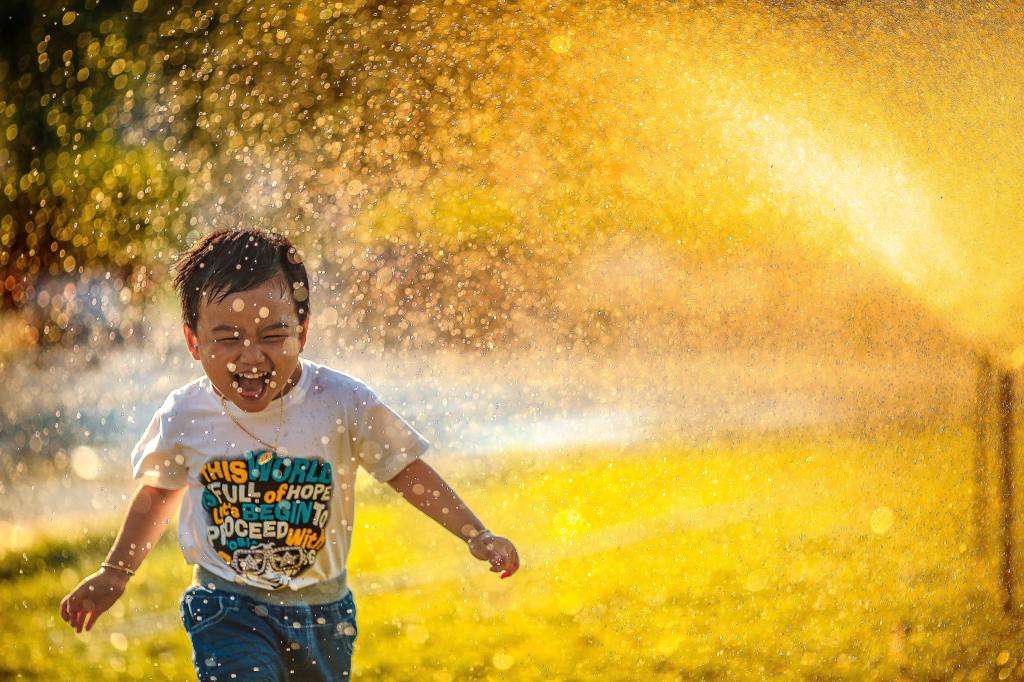
Photo by Nadine Shaabana
At this point, you may ask, how, then, does one find their inspiration? Unfortunately, I cannot tell you how to find your inspiration, yet can tell you how I found mine, which may serve as a catalyst for your own search.
Finding My Inspiration
Finding my inspiration began with a personal quest to understand my own suffering. It started about three years ago when I took a job that, at the time, I was not fully prepared nor developed enough for.
Every morning I would awake to the “I can’t do this” mantra, and after 6 months of this kind of thinking, and a great deal of less sleep than is optimal, I began to question my thinking. At that time, questioning my thinking simply meant that when I had the thought, I can’t do this, or this isn’t working, I would question whether or not that was actually true.
Questioning my thinking, and remembering that the context I was working in was but one aspect of my being, not my whole being, began to shift my thinking. Additionally, as I’ve mentioned in other posts, I began to start seeing a life coach once a week, and did two powerful leadership development programs.
The ability to question my thinking, even then at a very minimal level, seeing someone once a week, and developing myself, created a space for me to start creating new thinking patterns.
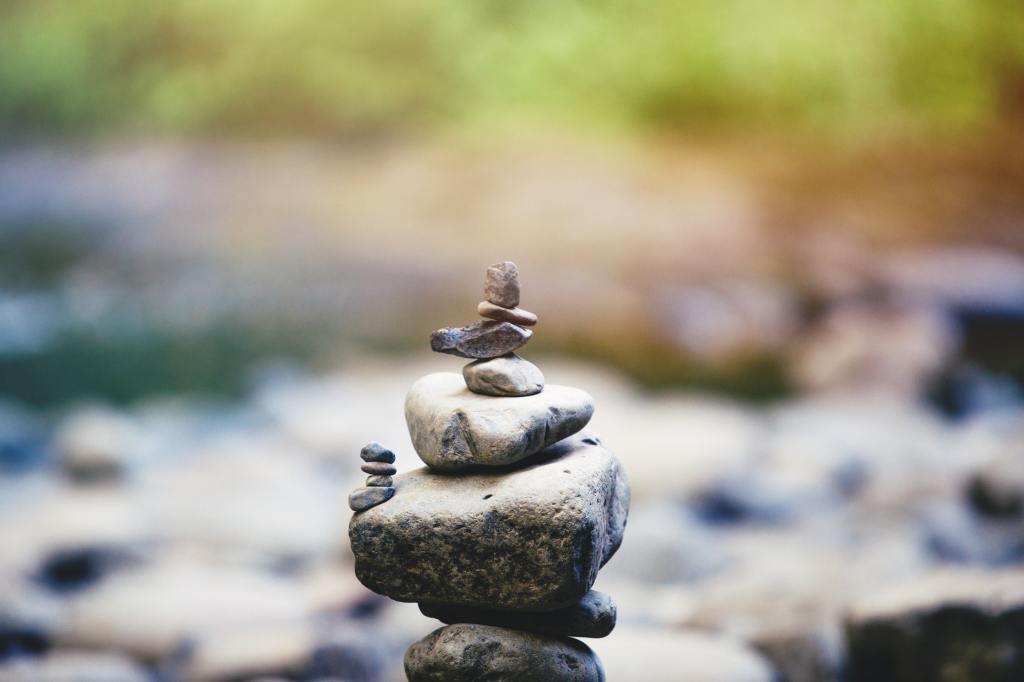
Photo by Ashley Batz
During that first year, I also worked on my diet, and began, what I called then, breathing. This breathing was my first foray into meditation, which I continue to practice today.
All of these choices helped me be more open, flexible, adaptable, and resilient. These choices also gave me more clarity, which, when working on a dynamic team, in an ever changing and fast paced environment is very important.
Being more open, flexible, adaptable, and resilient, allowed me to take, and give, feedback in a more constructive and healthy way. And, letting go of the notion that I should know the answers to every issue that would arise, opened me up to learn more about myself, and to learn more from all of the people around me.
When you begin to truly understand yourself, and begin to take in all that people have to offer, you find that inspiration is everywhere, and in all things. Again, it is the inspiration you find within yourself, that then translates into “finding” inspiration in all things.
Finding inspiration is a matter of how you think about who you are, what you do, and how you relate to everything in your environment. If you believe that you matter, that your relationships to those in your environment matter, and that ultimately your impact matters, you are doing inspiration. You will also find that inspiration goes out from you and affects others. We can call this reciprocal inspiration. It is infectious, and wonderful.
Unlocking your Creative Potential
When you are inspired, your imagination will become more active, which will, if you are open to it, translate into more innovation or creativity. It is also important to understand that this renewed, or new, creativity comes with a requirement to continually be open to all new experiences, even if they feel uncomfortable. Meaning, that it is in the unknown where the most creative and innovative works can be realized.
There is so much freedom that comes from this kind of thinking. Freedom from the constraints and limits that humans typically put on themselves, which, of course, constrict inspiration, and the corresponding imagination and innovation.
When you are ready to live a life full of inspiration, you can take the necessary steps to live that life. Living this kind of life does not come without difficulty, yet it is inside those things that are difficult that personal growth, and transformation can take place.
You can only realize your fullest potential by going outside of your comfort zone, finding your own inspiration, and then letting that inspiration fire your creative potential. You are a creative being. We all are. You simply have to be open to being all that you know, deep down, you are capable of being, and trusting that inner knowing.
Inspiration, imagination, and innovation, live within each of us. These qualities are everyone’s, not just a select few. They are, after all, human qualities, and you are a human, so you have them, and only you can unlock them and realize them for yourself.
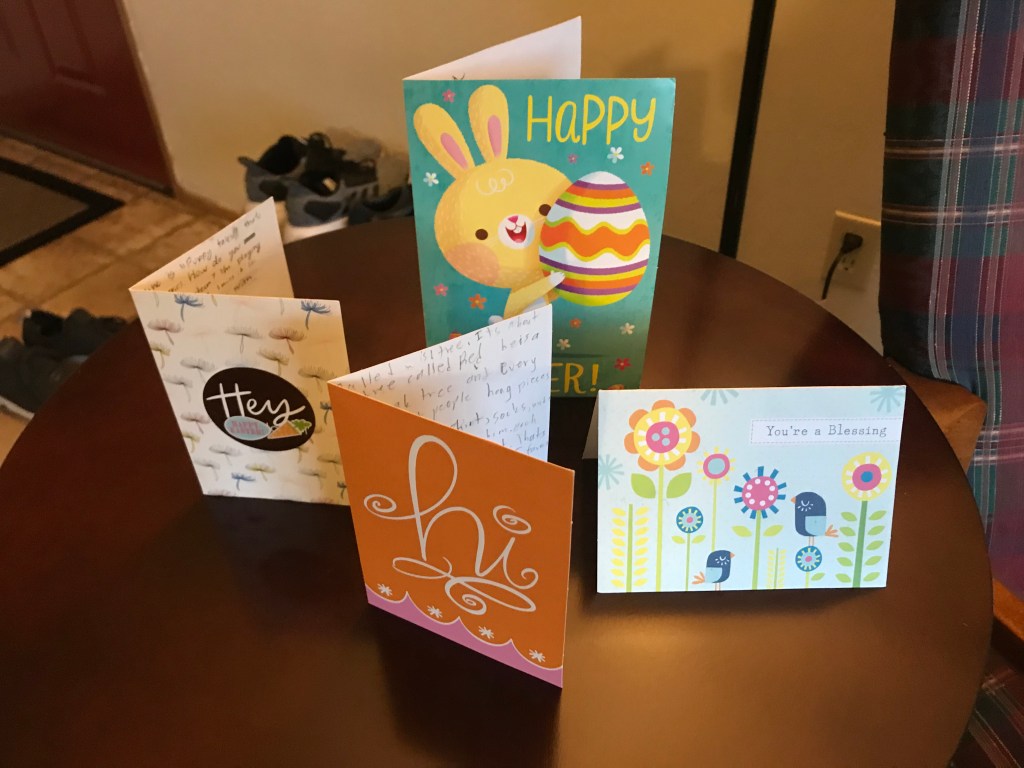
Since the COVID-19 health crisis began, and the associated shelter-in-place order was established here locally, I’ve been receiving handwritten letters from my niece and nephew.
When my sister told me that the twins were tasked with creating and sending out handwritten letters, I thought, oh joy! What a great way for two 10 year olds to spend parts of their day. With all the current technological distractions, these letters seemed like such a great idea, a break for them, and ultimately, a gift for me.
At the time, what I didn’t consider was how much I would enjoy receiving and reading them. Nor could I have imagined how much fun it would turn out to be to write them back.
I am old enough to have lived during a time when in-home computers were just gaining traction. At that time, handwritten (or typed) letters, like landline phones, were a part of people’s everyday experience. Not the case today.
It got me thinking about life skills, and how important it is for children and youth to have the opportunity to develop skills, even when, maybe especially when, these skills are not as sought after today. It is important for many reasons, one of which is the necessity to keep these skills alive for future generations. Why?
Because there is an elegance to the written word, like there is in understanding how to balance a checkbook, or creating a meal that doesn’t include “food” from a box. And, it is our job to teach children and youth these skills.
There are a myriad of these life skills that, due to technological advancements, are not as utilized today. In fact, some are out right not taught in schools, or in homes across the country. Why?
Some of the lack of education in life skills has to do with the way K-12 education functions today. Some of it has to do with the fact that people are busy, and don’t always spend the time necessary with their children teaching them these skills, especially as they enter their teenage years. Or, they think they’ll pick them up along the way.
As a parent, I have also fallen into the trap of being busy and assuming that the kids would pick up this or that skill along the way. Yet, what I have learned is that they will not always pick them up. We must teach them these skills.
Though the life skills referred to in this post are quite simple, we make them seem complex, as today there is an easier way to get to the outcome, or result. For instance, it is much easier to look up a word on an online thesaurus, or dictionary website, than it is to use an actual thesaurus or dictionary. Do we assume then that children and youth will simply know how to find, let alone utilize a thesaurus and or dictionary? We should assume not.
We often make the simple complex. It is a pattern most humans have, and one that I’ve referenced in several other posts. It is often harder to find the simpler path, yet strive for it we should. Because we can make something complex, does not mean it should be complex. In fact, it really means that it should be simple.
If making things simpler is something we should strive for, then teaching children and youth basic life skills, which are not as in fashion today should be a goal of every parent and or caretaker. Why?
Because if we don’t teach them these skills, who else will?
Humans by nature live inside of various performances. Identities, or personas, if you will, that have been created over our lifetimes. And, these created personas are learned through socialization.
Socialization is the process of learning about the world, and how you fit into it. Further, it is about the creation of the you that you know yourself to be. It is about learning the rules and “appropriate” behaviors for the myriad contexts we find ourselves in.
From the time we are very little, we are told who we are, what we are to do, and not do, and how we are to behave. We become mechanized into a certain pattern, or habit, of being. And, if we do not get pushed, or stumble on our own, outside of that habit, we will continue to live that way for all of our days.
However, if we are fortunate enough to have someone in our life push us outside of the habitual “me” or we have the same good fortune to discover it on our own, a whole new you can emerge.
The emergence of this “new” you is an iterative development process, which unfolds as you make new choices in familiar contexts. These new choices are not predicated on what you once knew. They are, rather, predicated only by the limits you put on yourself.
When we live within the narrow framework that we were given by our parents, extended family, and school system, we limit our potential. I would know, I lived this way for most of my adult life.
However, when we leave that narrow framework, we can experience all there is to experience in the world. Of course, this means experiencing successes and failures. Thomas Edison has two of the best quotes on failure.
“I have not failed. I’ve just found 10,000 ways that won’t work.” “Many of life’s failures are people who did not realize how close they were to success when they gave up.” -Thomas Edison
In order to achieve all that we can, and to be all that is within us, we must experience failure. Yet, most people avoid failure. They are fearful of what it means to themselves, first, and then to others around them when they fail. They do not see it as Thomas Edison did; that, in order to be successful, failure is a necessary and needed component. You cannot have one without the other. Failure is part of the process of being successful.
And to be successful takes the ability to reflect upon oneself. To venture out into the unknown and be vulnerable.
Vulnerability is also something that people avoid, for fear of what it might mean when they make a mistake, or misjudgment, or a poor decision. Yet, just like failure, vulnerability is a needed and necessary component to live the authentic life that is awaiting you.
Authenticity simply means being genuine, first with yourself, and then with those around you. You cannot lead an authentic life when you avoid failure and vulnerability. It is simply not possible.
People know when you are not being authentic. When we avoid mistakes, for fear of judgement by others, people know that you are playing it safe. Playing within your comfort zone. Playing within what is known to you; your lane, your habits, and pattern.
Get outside of your lane, those narrowly defined parameters that someone set for you, and live the authentic life of your choosing. It is your choice. Ultimately, no one can make you choose to live a life outside of your comfort zone, as no one can make you live one inside of your comfort zone.
Whether we are aware of it or not, the life we live is our choice. And, I am inviting you to choose a life that is different than the one that was handed to you. If you are living that life, wonderful. If you are not, also wonderful, as you have before you the choice to live a different life, a life full of wonder. A life that is your authentic life.









 Develop. Inspire. Transform.