Poetry and Prose by #1 Amazon Bestselling Author of Nature Speaks of Love and Sorrow, Co-Author of #1 Amazon Bestseller, Wounds I Healed: The Poetry of Strong Women, and Jan/Feb 2022 Spillwords Press Author of the Month
Twitter #vss365 prompt words used: taste, acceptance, rejection, smell. Follow me on Twitter here.
MasticadoresIndia/USA Publications
I am always honored to have my poetry at MasticadoresIndiaand MasticadoresUSA. It is a blessing. Thank you from the bottom of my heart, Terveen, and Barbara for always supporting my work; and, thank you to each of you for continuing to read, like, and comment on my poems in these two exceptional online magazines.
They bloom with vibes as grapes drive on vines, butterflies welcome their seasons in species, My blood celebrate me.
But, when blooms derail when transitions cut off maturity, and my blood betrays me, Can l announce to denounce ? Can any type fit in tighter than ‘A’? Denouncing it is denouncing self and soul denouncing it is denouncing my nature.
As healing rains fall with water and fire to take us higher, so do l prepare for the smooth, the rough and tough turns, even for the never hoped for, to be at peace with pains, For no other can hide my heartaches in smiles than myself, for Sorrow is a perfect Picture of Love in progress.
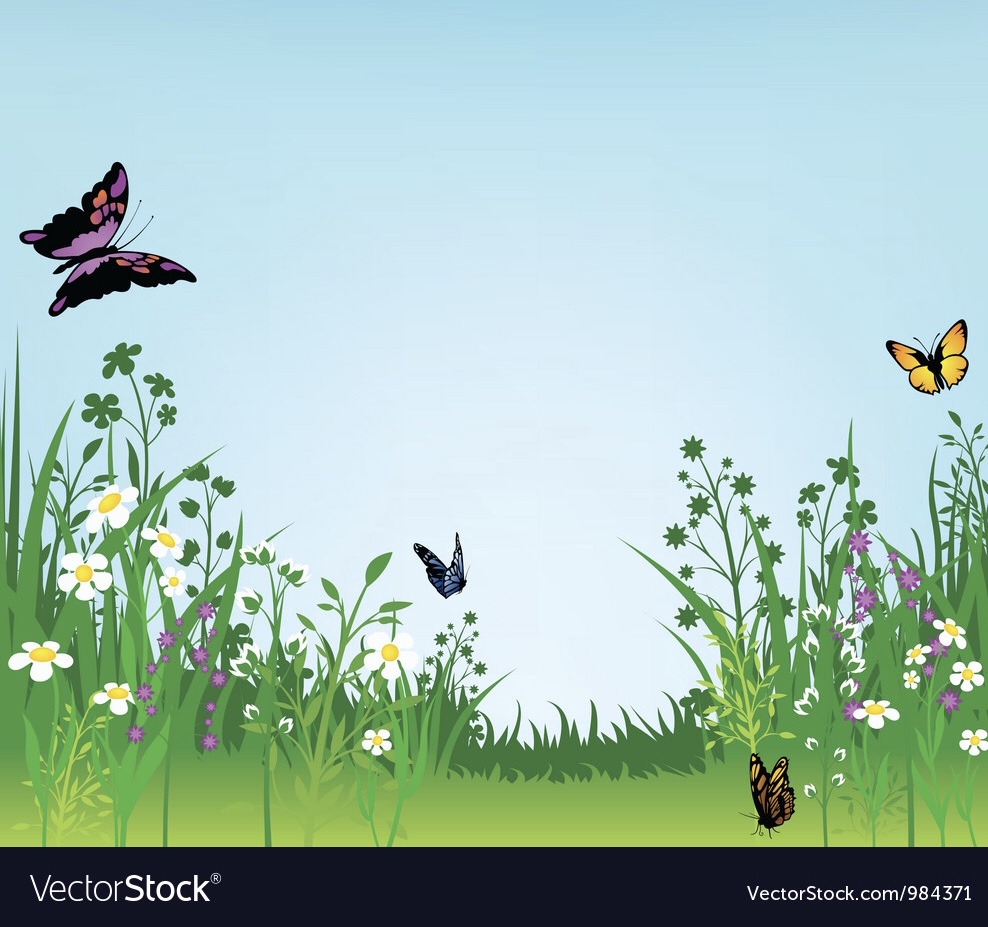
Image from Vectorstock.com
My Blood was inspired by the poem Butterfly Love. You can read more of Eunice Aformanor’s poetry at UNIZ BISSIE.
Submissions are still open for the Nature Speaks of Love and Sorrow: 30 Poems in 30 Days Collaboration. The submission details are located here.
I am super excited to announce that my poem, with all their scars, is now available at Spillwords Press. I big thank you to Dagmara K., and the whole team at Spillwords for publishing this poem, and for their continued support.
with all their scars
they say, life is a performance of sorts, played out on the background of perceived solidity
young children, learning quickly…
I would be honored if you would go here, and read the rest of my poem. Thank you!
I’ve been reflecting a lot upon the concept purpose the past few weeks, and, whereas I’ve not come up with any real new conclusions about purpose, I do have a few reflections to share with you. Ready? Okay, here we go.
Let’s first define the concept.
purpose noun
the intention, aim or function of something; the thing that something is supposed to achieve
While I understand this definition, it leaves me feeling a little wanting. Meaning, while I understand the definition perfectly well, I think it can set us up for heartbreak if we’re not careful.
For instance, what happens if the “something that is supposed to [be] achieved,” is not achieved. Then what? Hm.
When we are fully present, each moment lives and breathes with a purpose all it’s own. Thinking about purpose this way is not about “achievement.” It’s not about striving or seeking anything. It’s about being present to what is, accepting it with an open heart and mind, and then taking the actions necessary to create anew in each moment.
Thinking about purpose this way, eliminates the need for something specific to happen. Instead, each moment something unexpected can occur, and we can accept it, and create our life anew from that space.
For me, it then follows to ask the question, is high sensitivity binary, as in you have it or you don’t? Or, rather, is high sensitivity a spectrum of experiences? Hm. Good questions. Let’s take a look, shall we?
Alright, so let’s first define binary and spectrum. Ready? Good. Here we go.
Well, that’s fun. Now, for the purpose of this conversation, think about being highly sensitive as a 1 and not being highly sensitive as a 0. Make sense? Okay, good. Now spectrum.
There we go. Again, for the purpose of this conversation, you can think about a complete or wide range of related sensitivities, as a spectrum of sensitivity. Make sense? Good.
Because if we think about sensitivity as binary, we limit the experience of being a sensitive human being; and, we also limit our own experience of what it means to be sensitive.
As we discussed in the previous post on sensitivity, being sensitive is not a problem or an issue, it is, rather a gift. And, being able to own that gift, and really internalize it as such is an important and empowering experience.
Really, important.
And, at the same time, it is equally important for everyone to have access to the possibility that they are also sensitive. Why?
Because understanding our sensitivities, whatever they might be, is such an important aspect of being a human being. Truly, truly, this is so.
People that are highly sensitive often turn to substance abuse and other forms of self-abuse in order to dull their sensitivity. And? It is extremely damaging.
Yes, of course, for the person with sensitivity, and also, for those around them. Both. Yet, it need not be that way. Truly.
Here are a couple of questions you can ask yourself to see if you too might be a highly sensitive person. Ready? Good. Here we go.
Are you sensitive to light?
How about being sensitive to cold or heat?
Maybe you are sensitive to noise?
Are you easily overwhelmed?
Do you feel your own emotions more?
How about feeling other people’s emotions more?
Now, you can use these questions, if you choose, to start an investigation into your own sensitivity. Yep. Oh, me?
Yes, to every question listed above, and more. I typically score between 17 and 19 on the highly sensitive person questionnaire, which I recommend everyone take. Everyone. Seriously. Why?
Because finding out that I was a highly sensitive person was pivotal in my life. A gift, as was previously stated.
Therefore, I want to make sure everyone has the opportunity to explore their sensitivity, free from bias and judgment. Yep, that’s about it.
Further, I believe that everyone is highly sensitive in some way. Really. I do.
Remember, sensitivity is a spectrum, not binary. Meaning, that it is quite possible that everyone in some way is highly sensitive to something. Yep. Possible. And?
Well, removing stigma about sensitivity, especially in the United States, is super important. Especially for young boys. Really.
Young boys are often raised to dissociate themselves from their sensitivity, yet, that is so very unhealthy. It is unhealthy for them as a developing child and youth, and is also unhealthy, as we’ve discussed, for them later in life.
What is healthy?
Proper education about sensitivity. For instance, positive reinforcement and education about what sensitivity means; and, knowledge about how to cope with emotions. All. Important.
Bottom line? Sure. Here we go.
We all have sensitivities. We have to. Why? Because we are all human, and all humans have senses. And, these senses are, at times, maybe all the time, sensitive. And?
That is perfectly okay. More, as we’ve discussed, it is a gift.
Embracing our sensitivity creates more possibility. More possibilities about ourselves and our lives, and more possibilities for those around us.
When we model acceptance of our sensitivity, we remove the stigma about sensitivity and create spaces that are more inclusive and loving.
And, I for one, think that acceptance, inclusivity, and love are needed in this world. Nay, they are very much needed in this world. Today, yep, and, well, tomorrow too. And, for all time.
Because, as leaders, there are two ways we are confronted with resistance on a regular basis; and, being persistent is the key to continuing to move our teams, businesses, and organizations forward.
Here are those two ways.
Resistance to the ever-changing realities brought on by the COVID-19 pandemic.
Resistance to the current COVID-19 pandemic reality as compared to our previous realities.
Both of these instances of resistance can cause pain and suffering, for ourselves, our teams, businesses, organizations, and all of those that we serve.
What are some strategies that we can use to notice when we are resisting our current reality, regardless of whether it is due to resisting the amount of daily change we are confronted with, or resisting our new reality in comparison to our previous realities?
Here are 4 tips you can use to persist in the face of resistance
1. Notice when you are resisting the current reality
The first step to shifting your attention from resistance to persistence is to know when you are resisting. Sounds simple, yes? It is and isn’t. Noticing when you are resisting the current reality may pose more challenges today, as we are all living and working through so much change.
Combine that amount of change with other environmental stimuli and we have a situation where paying attention to how we are feeling is more challenging.
These are not normal times. Better language. Normal is only relative to what we once knew, and whatever “new normal” we think will show up, it will not be what was. We need to face this reality, get used to it, and learn how to do our work inside of it.
Doing so means learning to notice when we are actively resisting the current reality. How? Practice. Pay attention to how you feel. For me, frustration or agitation are relatively good indicators that I may be resisting the current reality. When I feel frustrated or agitated, I ask myself, why?
What’s the reason for the frustration and agitation?
When the reason is known, and the reason is that you are actively resisting the current reality, you can begin to consider shifting your focus from resistance to persistence through acceptance.
2. Shifting your focus from resistance to persistence through acceptance
Acceptance of the current reality is key to shifting from resistance to persistence. It is a must. When we do not accept the current reality, we are also actively resisting the current reality.
Either by living in denial, disagreement, disapproval, opposition, or complete refusal of the current reality. And, what happens when we are living and working this way?
We cannot create new ways to move ourselves, and our teams, businesses, and organizations forward. Maybe better language is that we are limited in our capacity to move ourselves, and our teams, businesses, and organizations forward. Why?
Because when we resist the current reality, we are limited by that focus. And, resistance is a very limited frame of reference. Whereas, persistence is about continuing to move forward in the face of any and all adversity. A much wider frame of reference.
Movement and this wider frame of reference are key. And, when the movement has stalled, as leaders, we can then create that movement. Creation and persistence go very well together. Creation and resistance? Not so much.
When you’ve moved from noticing your resistance to actively shifting your attention to persistence through acceptance, you can create new possibilities for yourself, and your team, business, and organization.
Another way we can become more aware of our own resistance is to listen to those around us. When people point to our resistance, it is very helpful. It may not always feel helpful, however, as leaders being open, available, and flexible is important.
When we are open, available, and flexible, we have the ability to take constructive feedback and do something with it. And, doing something with that feedback is important for us, and the teams, businesses, and organizations we lead.
Here is a quick example.
Today I was in conversation with a staff member that was questioning the need for a recurring meeting, as we had recently discussed the need to pause this work for now. Freeing up that staff member to work on the current business needs that are most pressing.
Whereas I was not openly resistant to the idea, upon reflection I noticed that I might have inadvertently been resisting canceling those meetings for various reasons.
However, none of those reasons were more important than the facts. We don’t need that meeting right now. And, that is what the staff member was pointing to. Extremely helpful.
As is the knowledge that sometimes our own resistance of a situation or event may be very subtle; and, not something that we are doing purposefully. An important distinction to be clear on.
You don’t get a demerit for being resistant. You are a human being. We are all resistant at times. Important to remember, as being upset or frustrated with your own resistance will only bring more resistance and frustration. Not helpful.
Listen to the people you have surrounded yourself with.
They are there for a reason. And, that reason may just be to point out your resistance, which is helpful. Knowing this allows you to move from resistance to acceptance and into persistence.
4. Invite your team, business, or organization to do the same
If you are at times resistance, then so are those that you work with, and serve. Important to understand. As you work on your own resistance, you can assist others in working on their resistance. Sometimes it is simply pointing it out. Other times, it may require a deeper conversation.
Either way, that you know about your own resistance and know how to shift to acceptance, means that you can also coach others on moving into acceptance. It is so important to create more flexibility and adaptability today.
The change we’ve all been through and the change that has yet to come are going to require more flexibility and more adaptability. In turn, they will also require acceptance of what is. Acceptance of the current state of reality today. And, the current state of reality tomorrow. However, they show up.
When we can fully accept what is before us, we can begin to create new pathways for ourselves and our teams, businesses, and organizations. And, when we can create these new pathways, whether they are new business models, new engagement systems, or new staffing models, we can serve our clients, customers, and community in more effective ways. Why?
Because we are not resisting the current reality, pretending that normal will come back. Normal is gone. Let it go, and move from resistance to acceptance and into persistence.












 Develop. Inspire. Transform.