Poetry and Prose by #1 Amazon Bestselling Author of Nature Speaks of Love and Sorrow, Co-Author of #1 Amazon Bestseller, Wounds I Healed: The Poetry of Strong Women, and Jan/Feb 2022 Spillwords Press Author of the Month
I am always honored to have my poetry at MasticadoresIndiaand MasticadoresUSA. It is a blessing. Thank you from the bottom of my heart, Terveen, and Barbara for always supporting my work; and, thank you to each of you for continuing to read, like, and comment on my poems on these two exceptional online magazines.
We Are Poetry: Lessons I Didn’t Learn in a Textbook, by Kym Gordon Moore
I was elated to receive Kym Gordon Moore’s new book about a month ago, and though I’ve only read a few selected chapters thus far, I can write here that it is an amazing read. Here is an example:
I Am
“They say I am nothing
in my someone-ness
traverse into a flow
of the seen but not heard
nonexistent, divisible where liberty is not just
not considered worthy to speak,
or to be respected
just an invisible occupation of space,
you think that of me
yet my existence is more
than the archives of silence
I am.
Refusing to conform […]”
Absolutely stunning. If you’ve not yet picked up a copy of this amazing book, you can do so here.
Update on Me
It was great to catch up with many of you last night. I am doing very well, and enjoying the travels. There is so much beauty in the world, and it is a privilege, and a joy to get out and see it.
Today, I am off to see Justin, which will be a lot of fun. We will do some shopping, and farmer’s marketing on Sunday, and then we are going to see the Portland Trailblazers on Sunday night. I’ve not been to an event of this size in years, thus I’m filled with excitement and some anxiety. Very normal.
I look forward to catching up with all of you again next weekend.
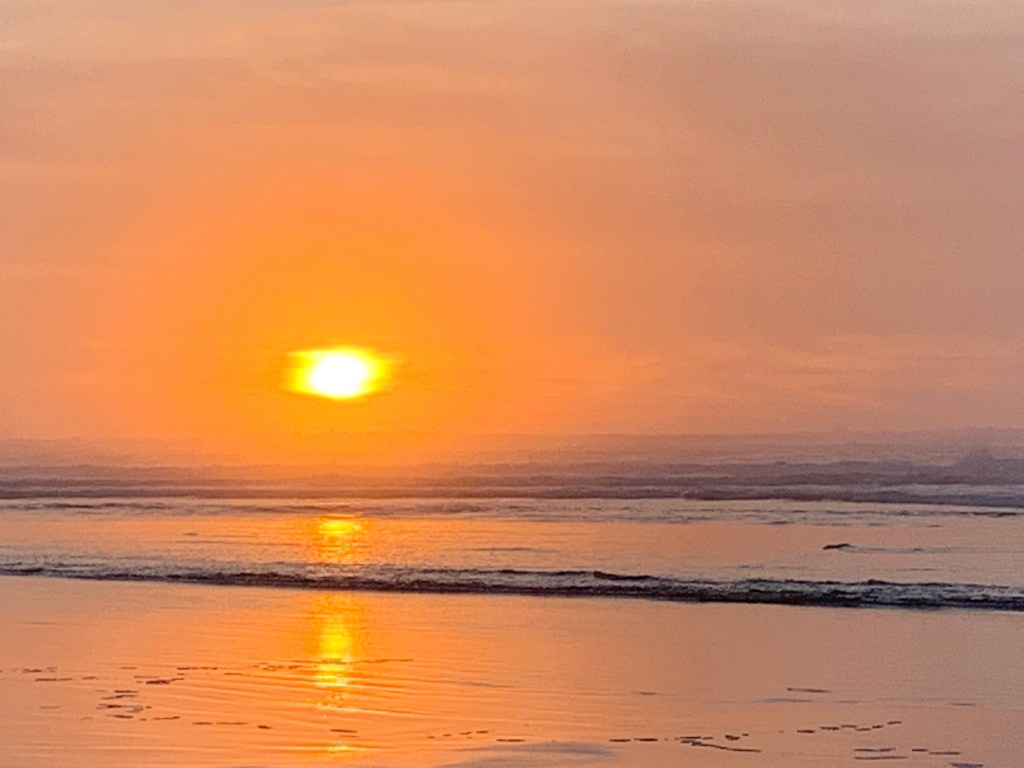
I wake up to you you remind me of the brilliance of afternoon sunsets and
of morning dew cascading
over a horizon filled with pain, and with healing
a presence of colors, ambiguous yet just enough to
fill the space left
by the absence of your touch
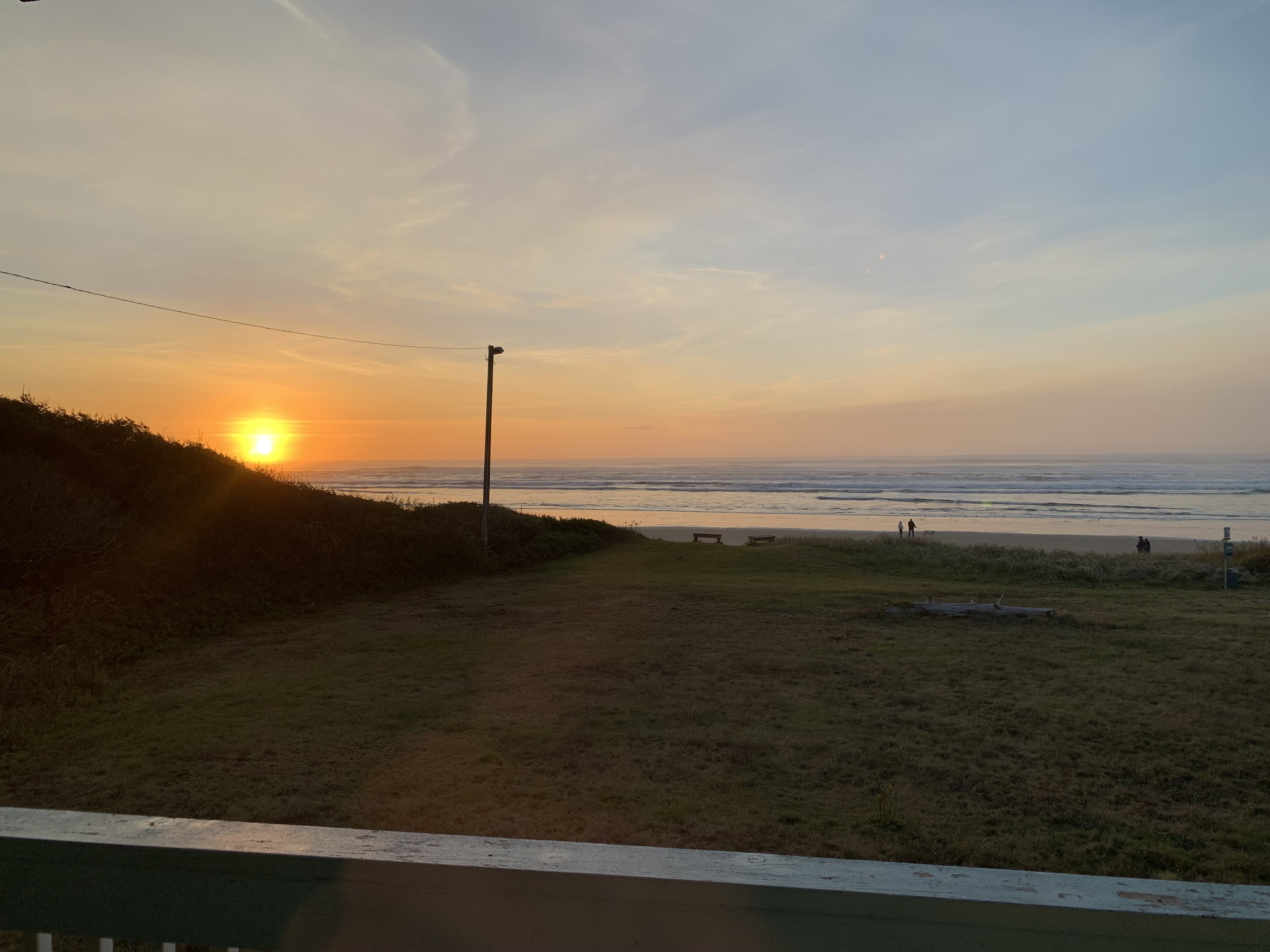
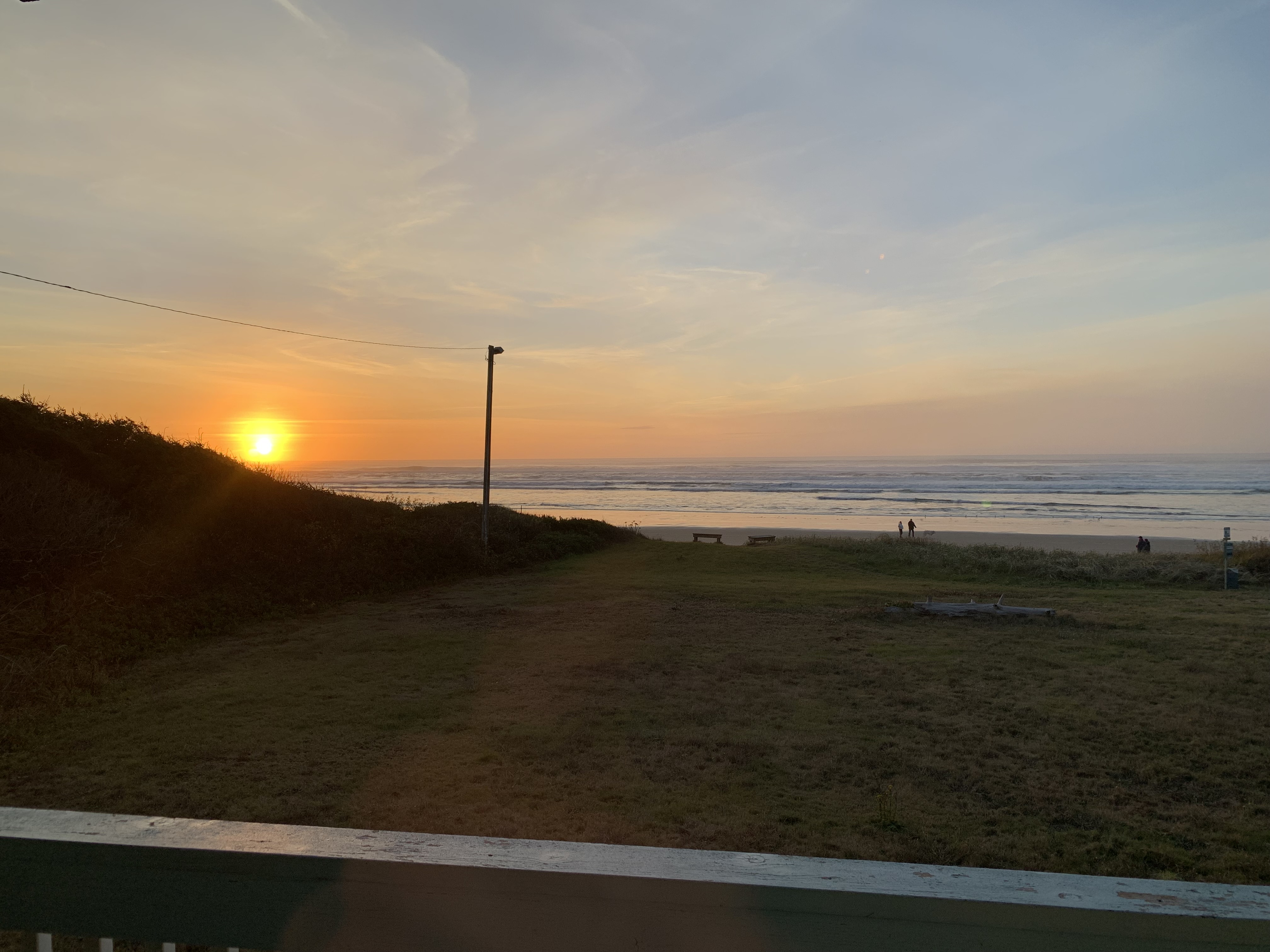
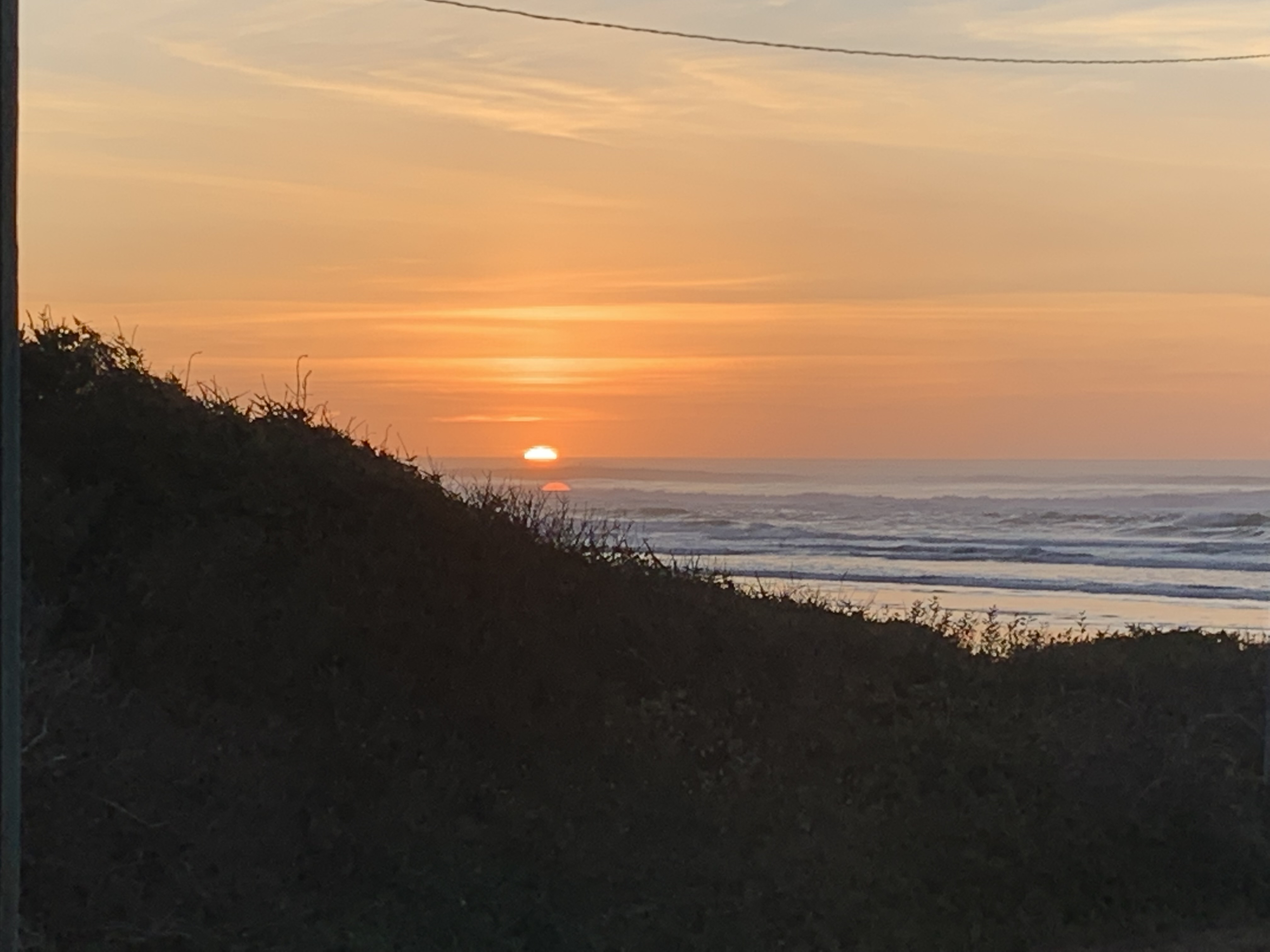
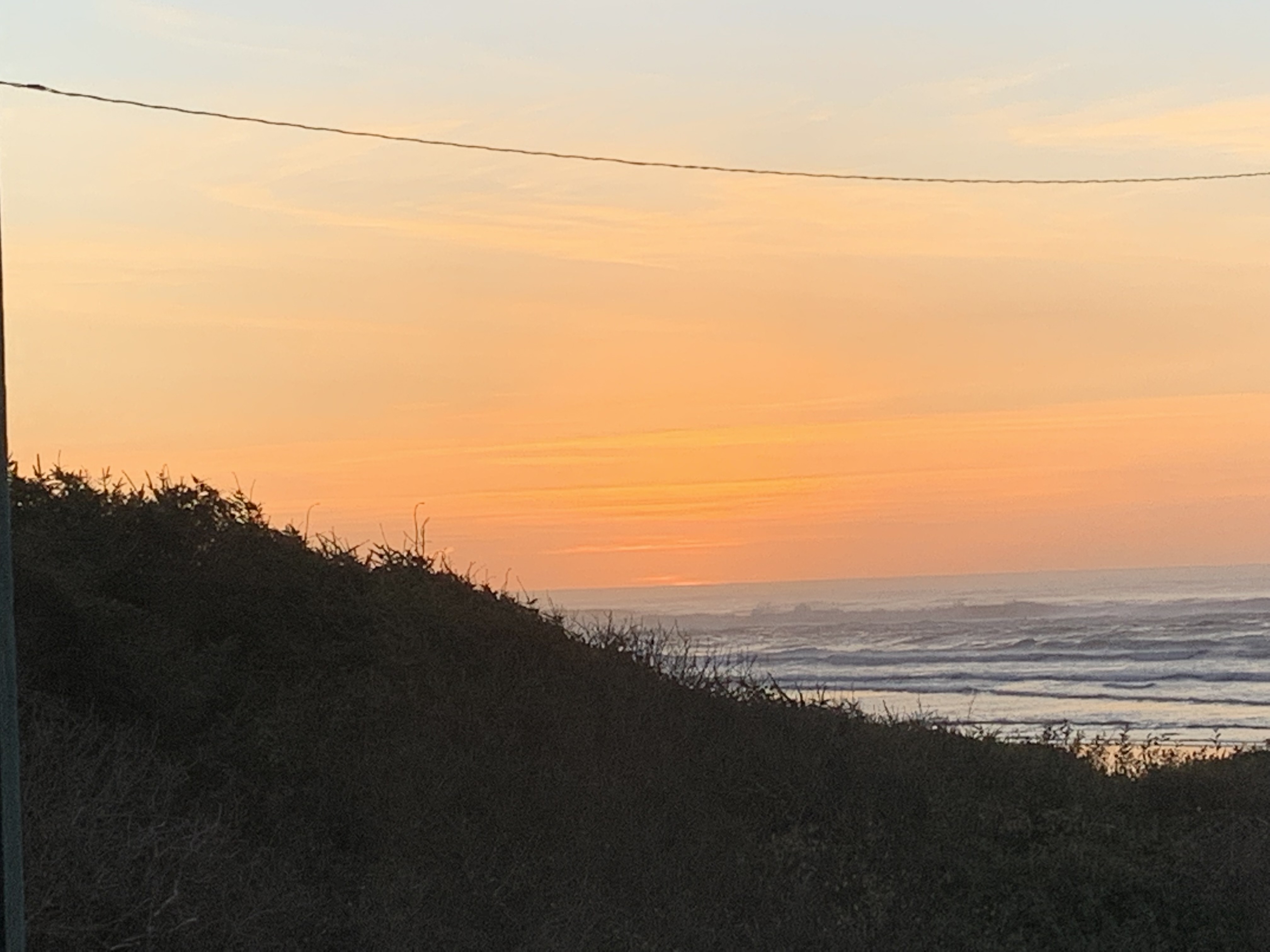
Photo by me, Oregon Coast
New Publications
I am pleased to announce that my poem, Misty Morning, is now available atMasticadoresIndia. Thank you to Terveen Gill, and the team at MasticadoresIndia for their continued support, and for publishing this piece. You can read the full poem here.
AND
I am also pleased to announce that my poem, Autumn Morning is now available at Spillwords Press. A big thank you to Dagmara K., and the whole team at Spillwords for publishing this piece, and for their continued support. You can read the full poem here.
I would be honored if you would read both poems, thank you!
Photo Gallery
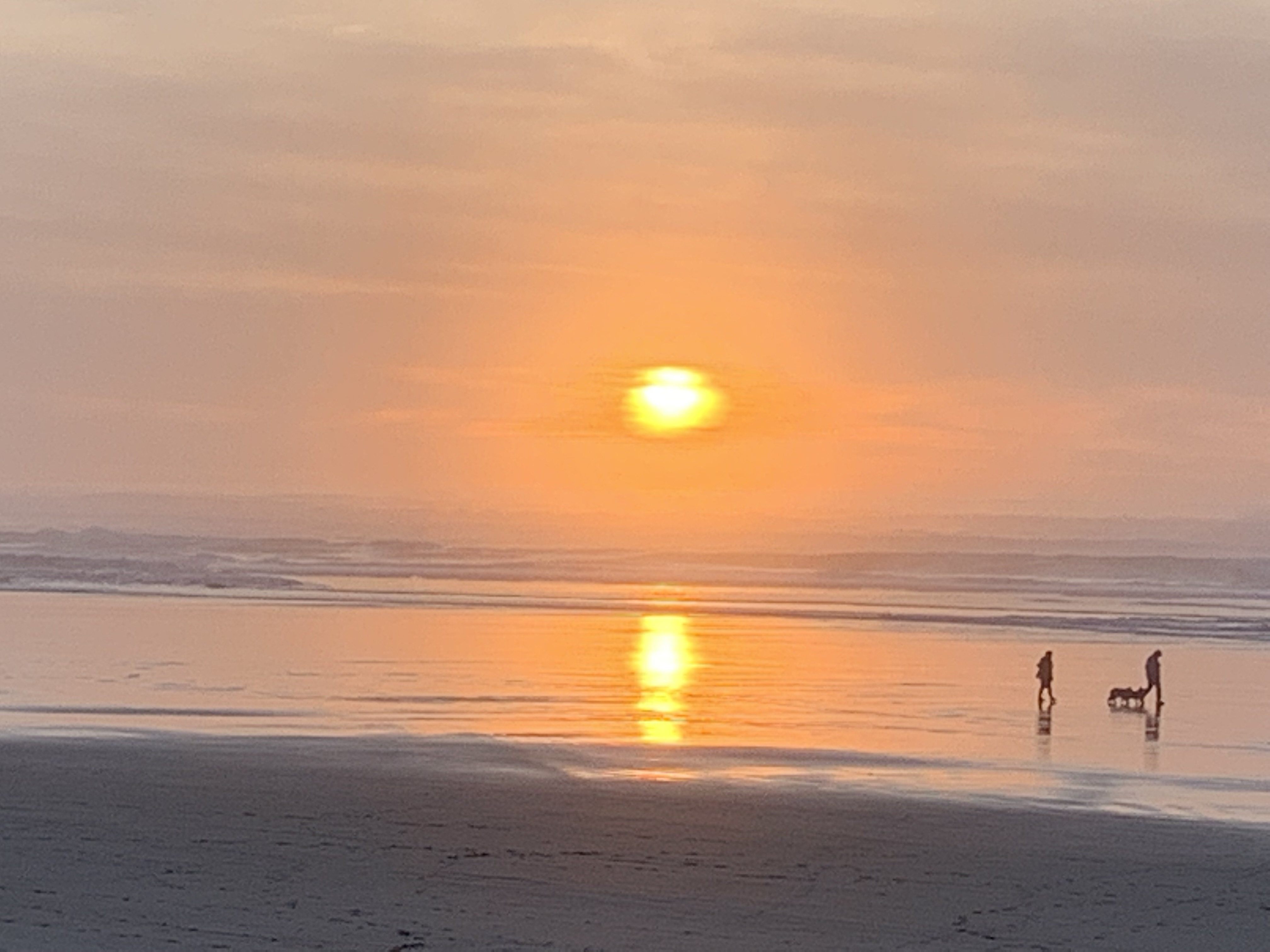
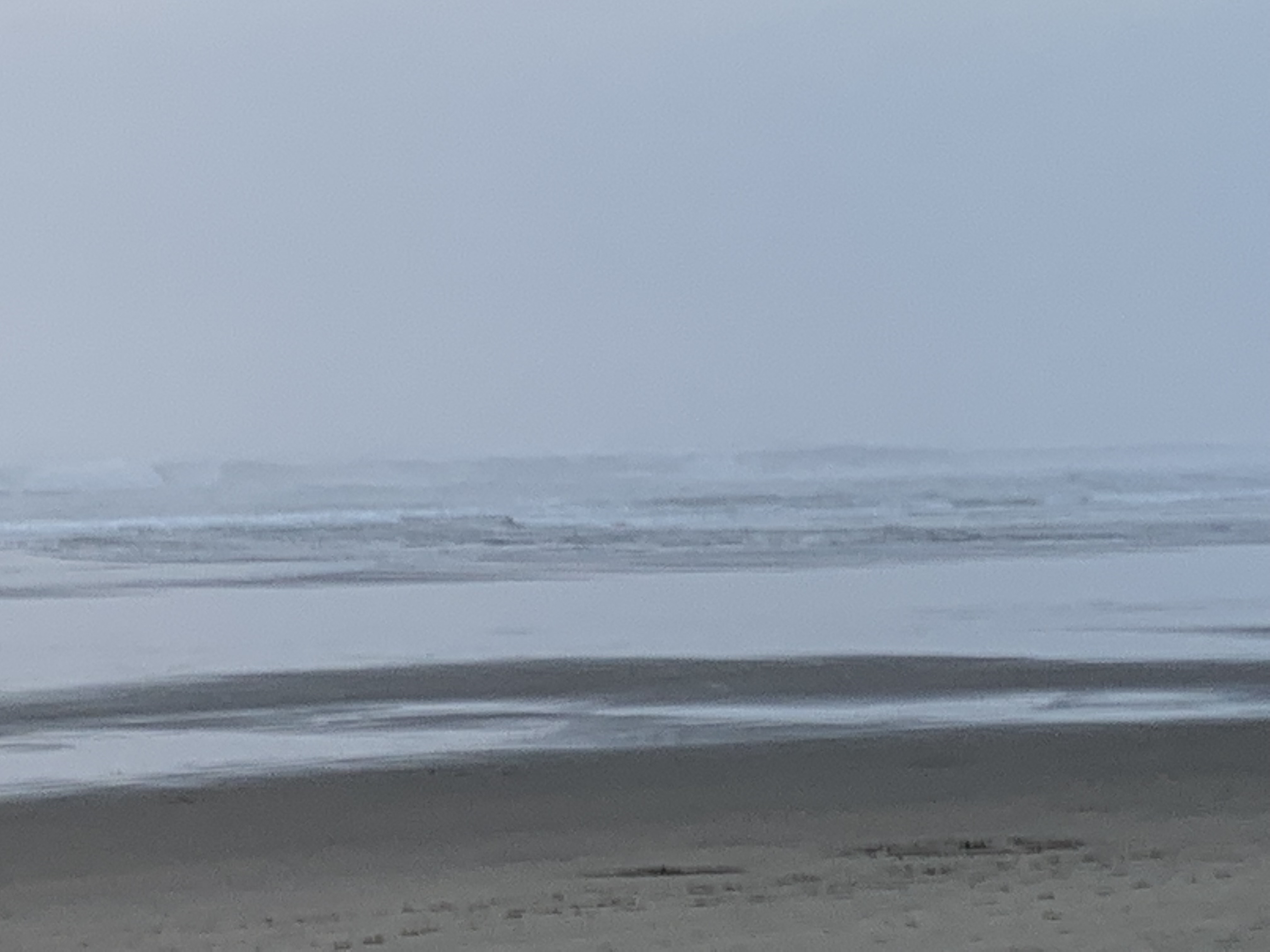
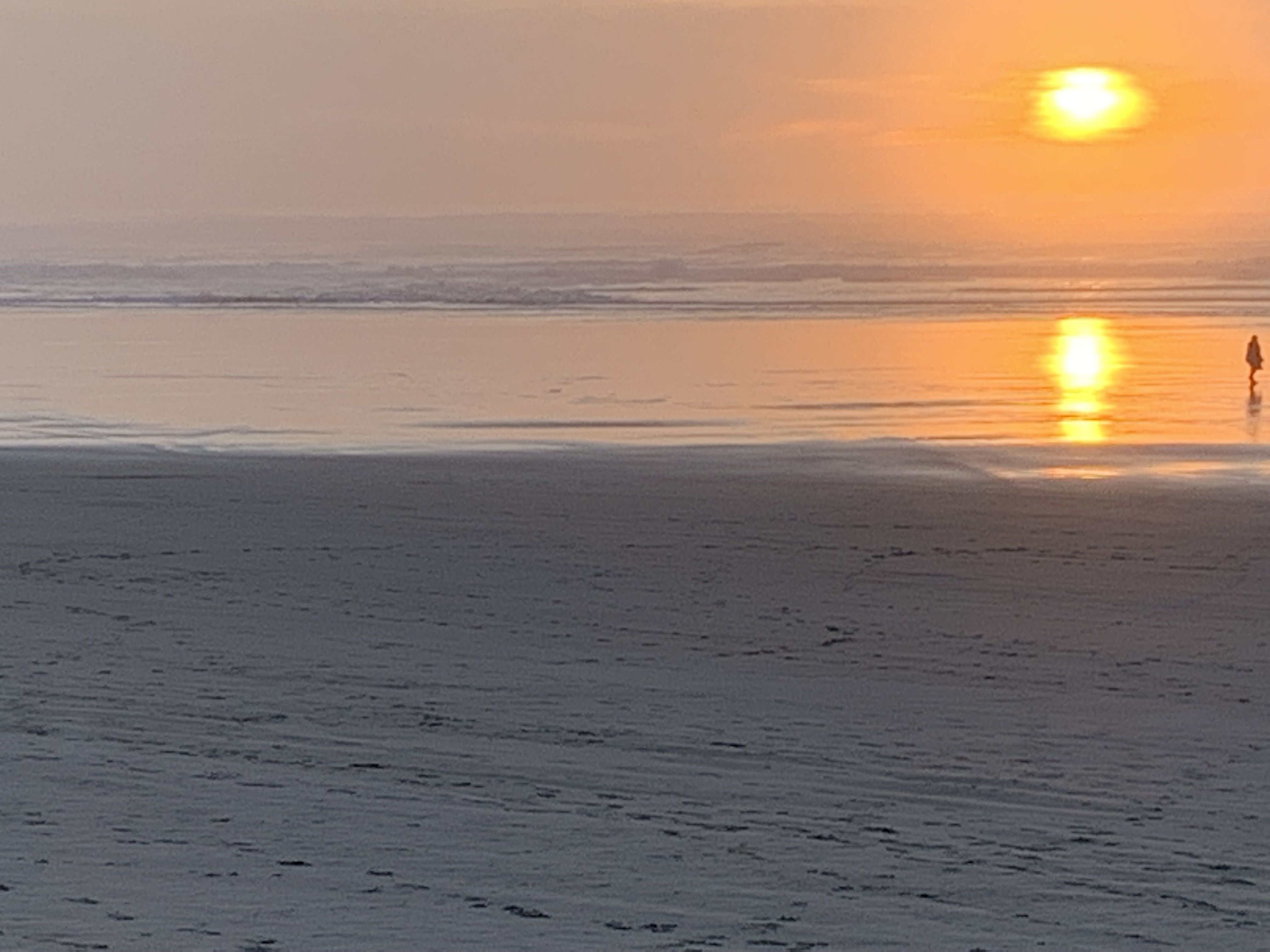
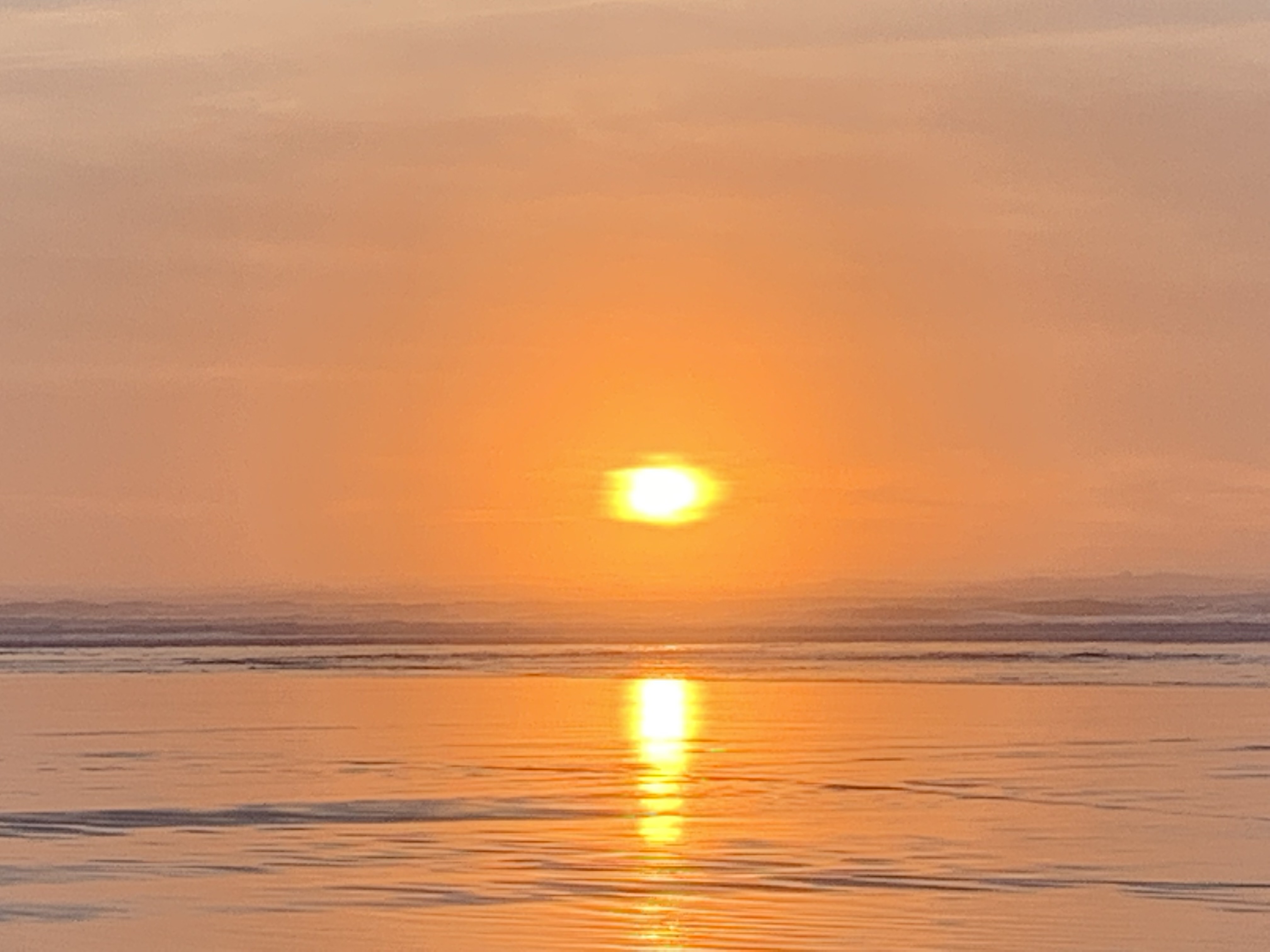
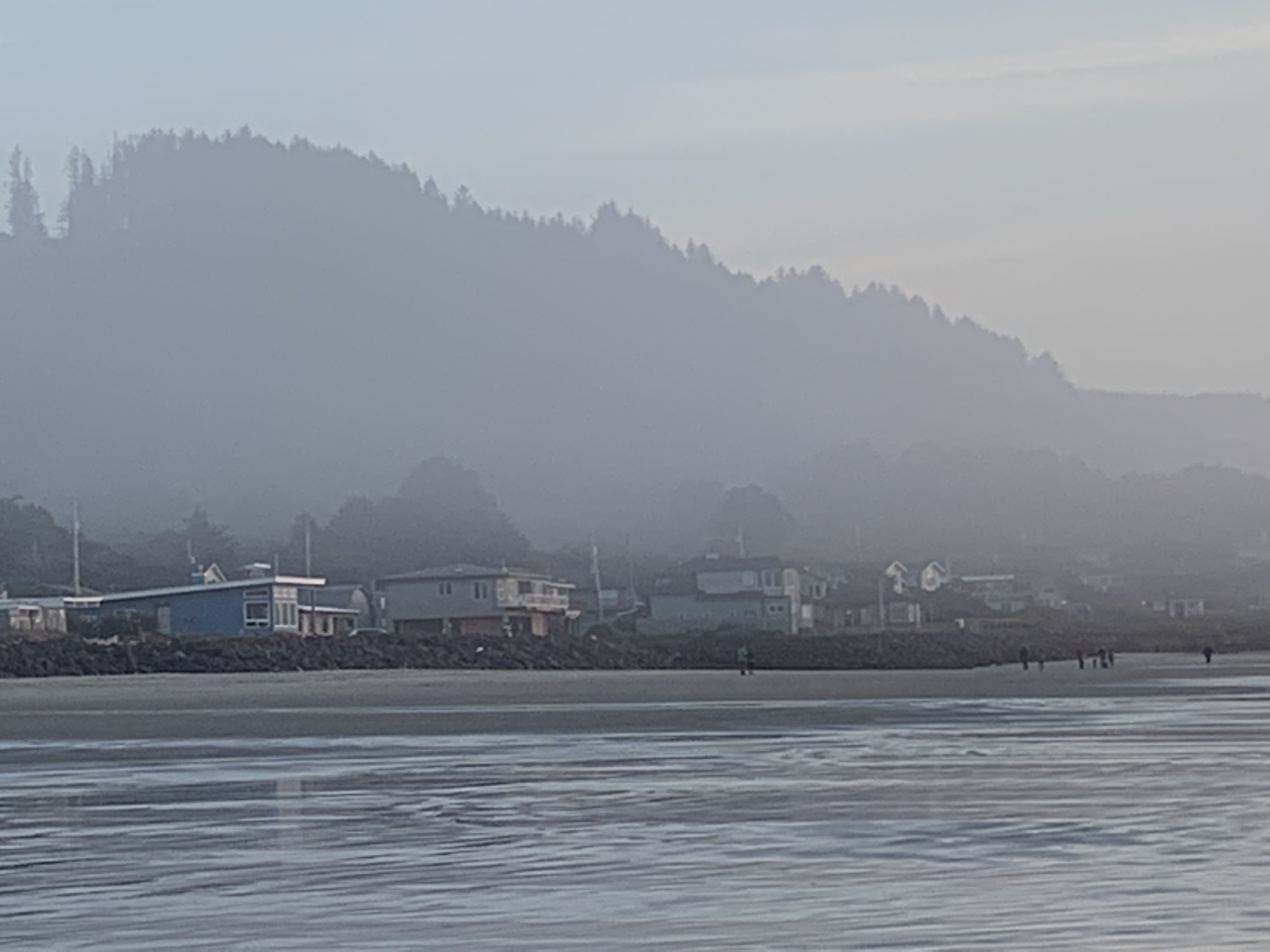
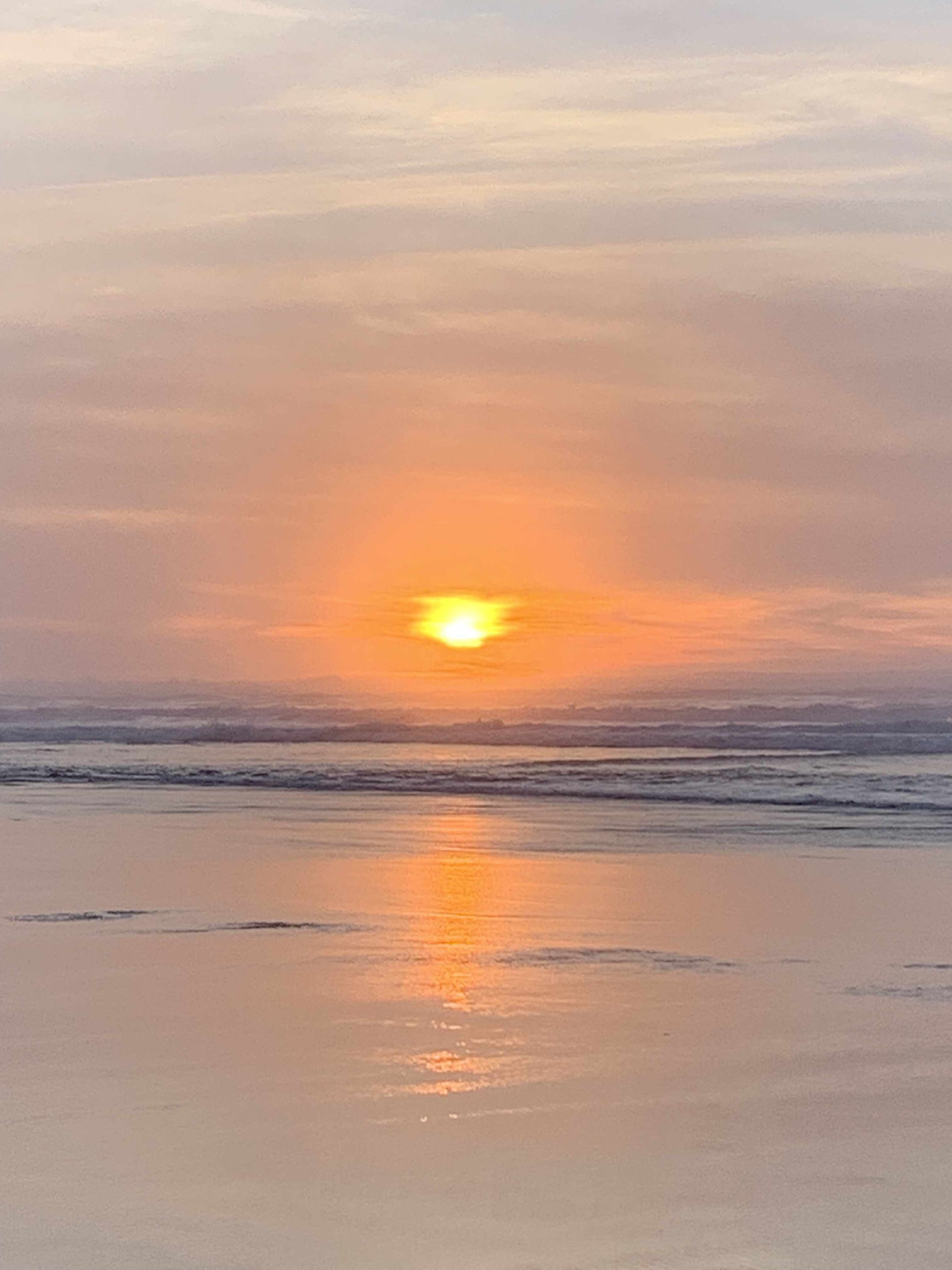
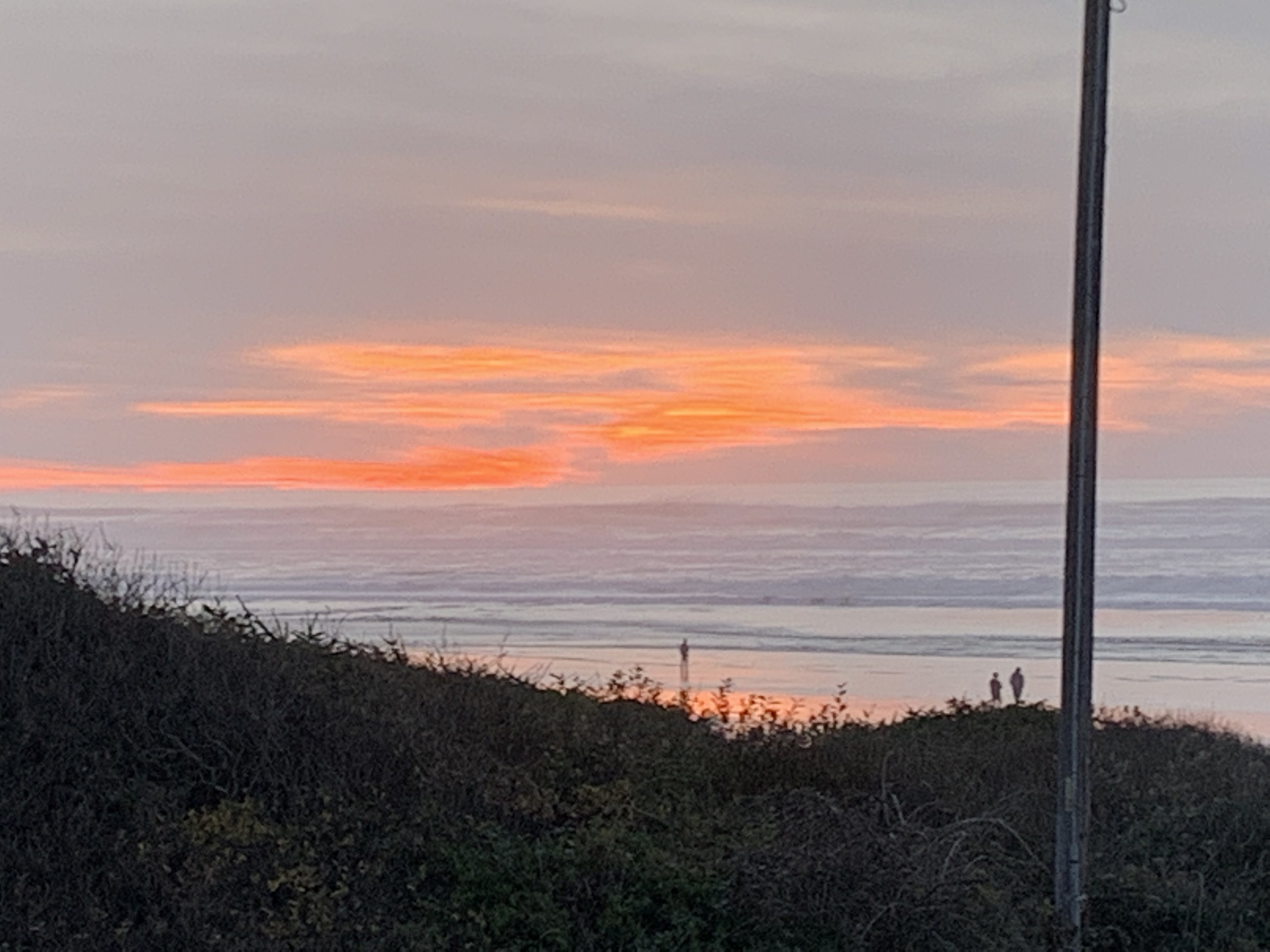
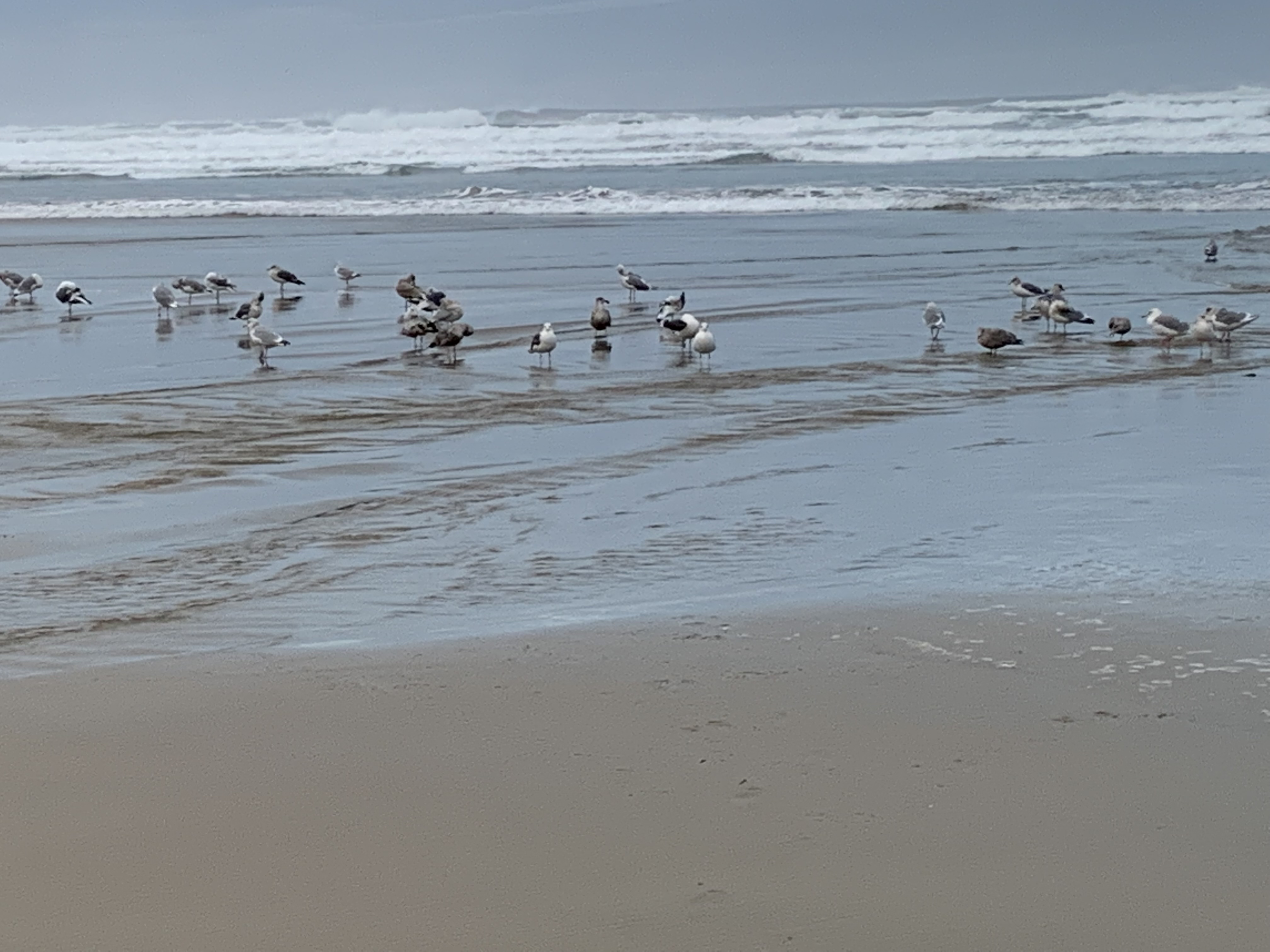
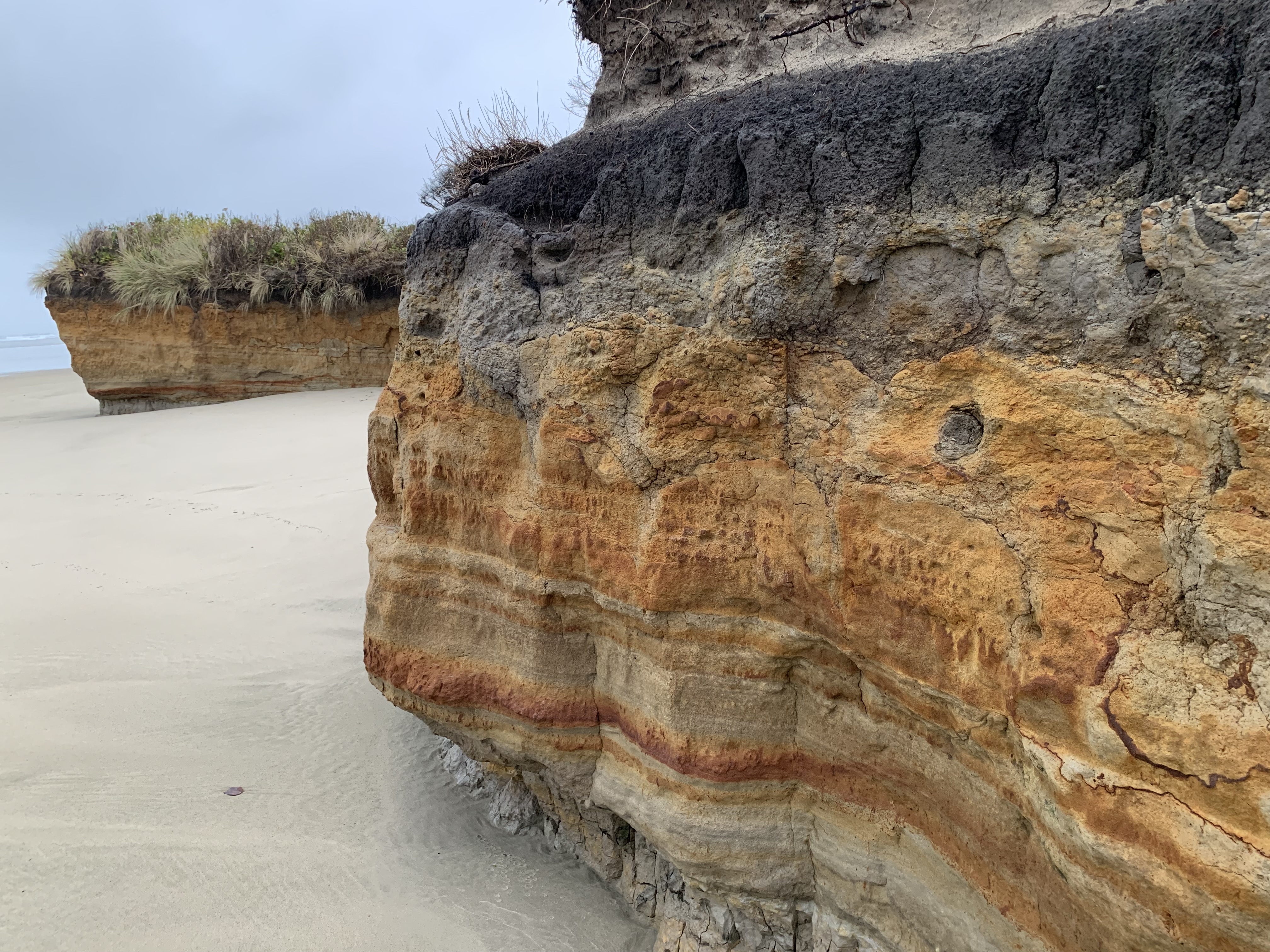
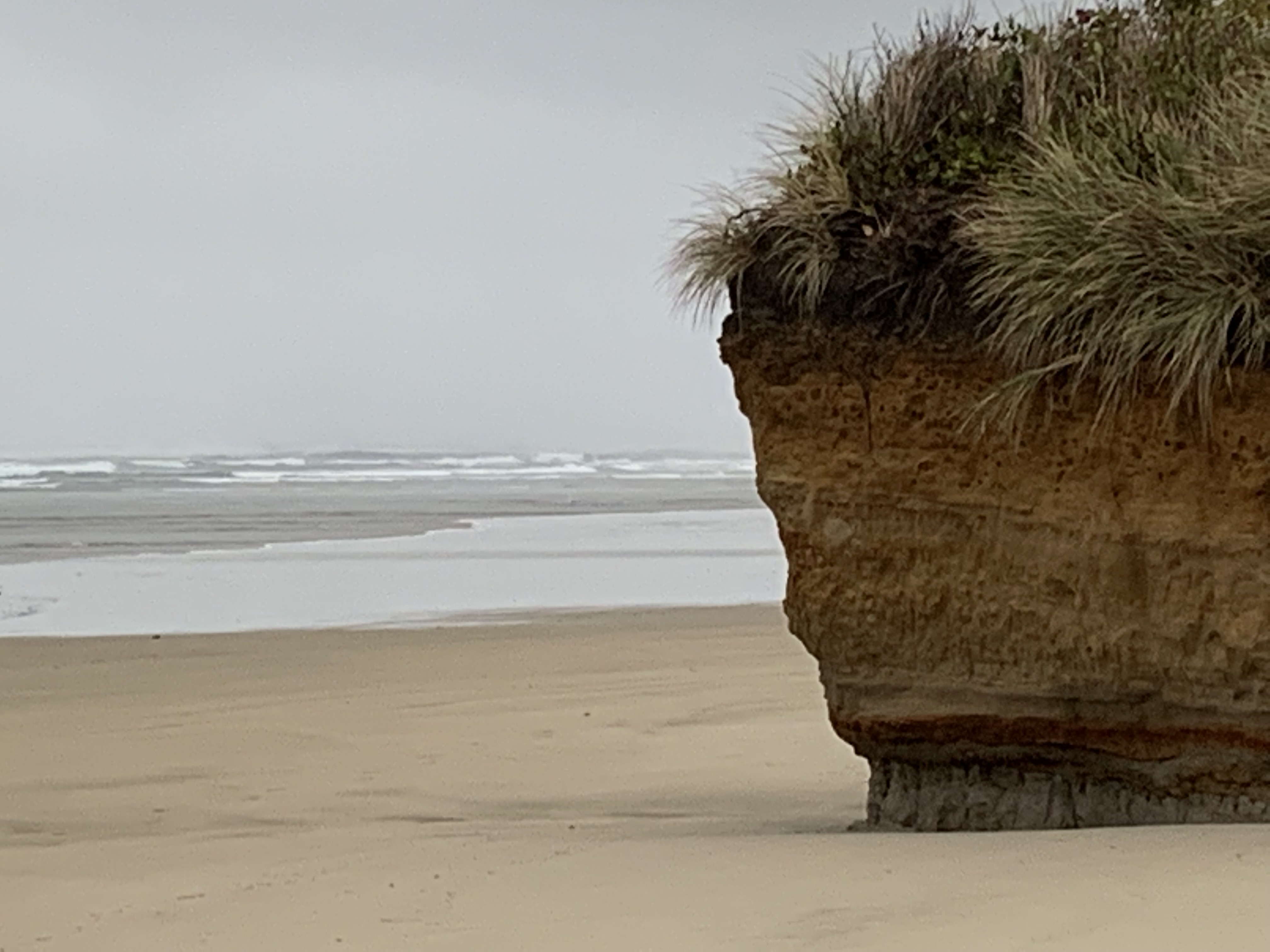
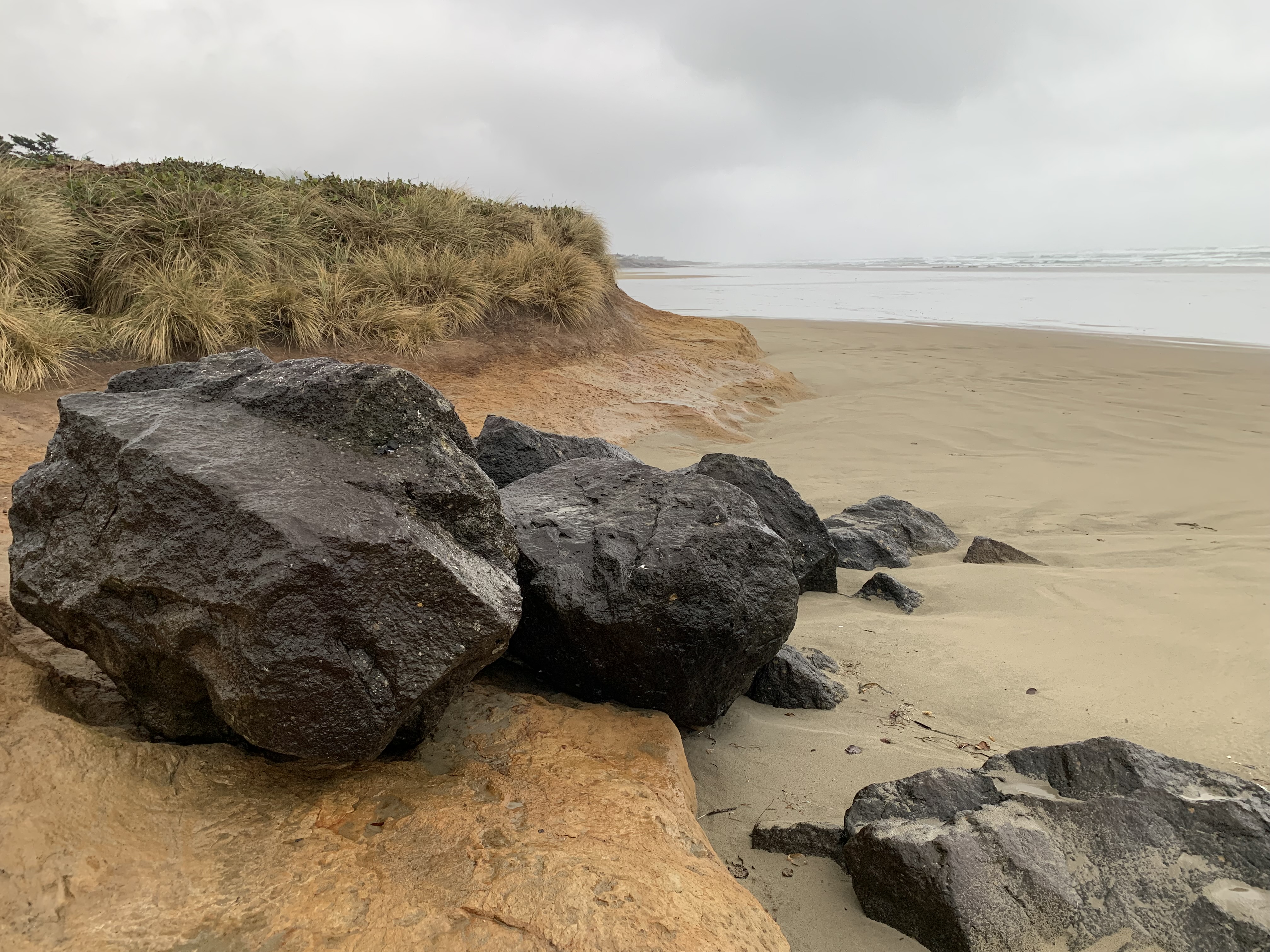
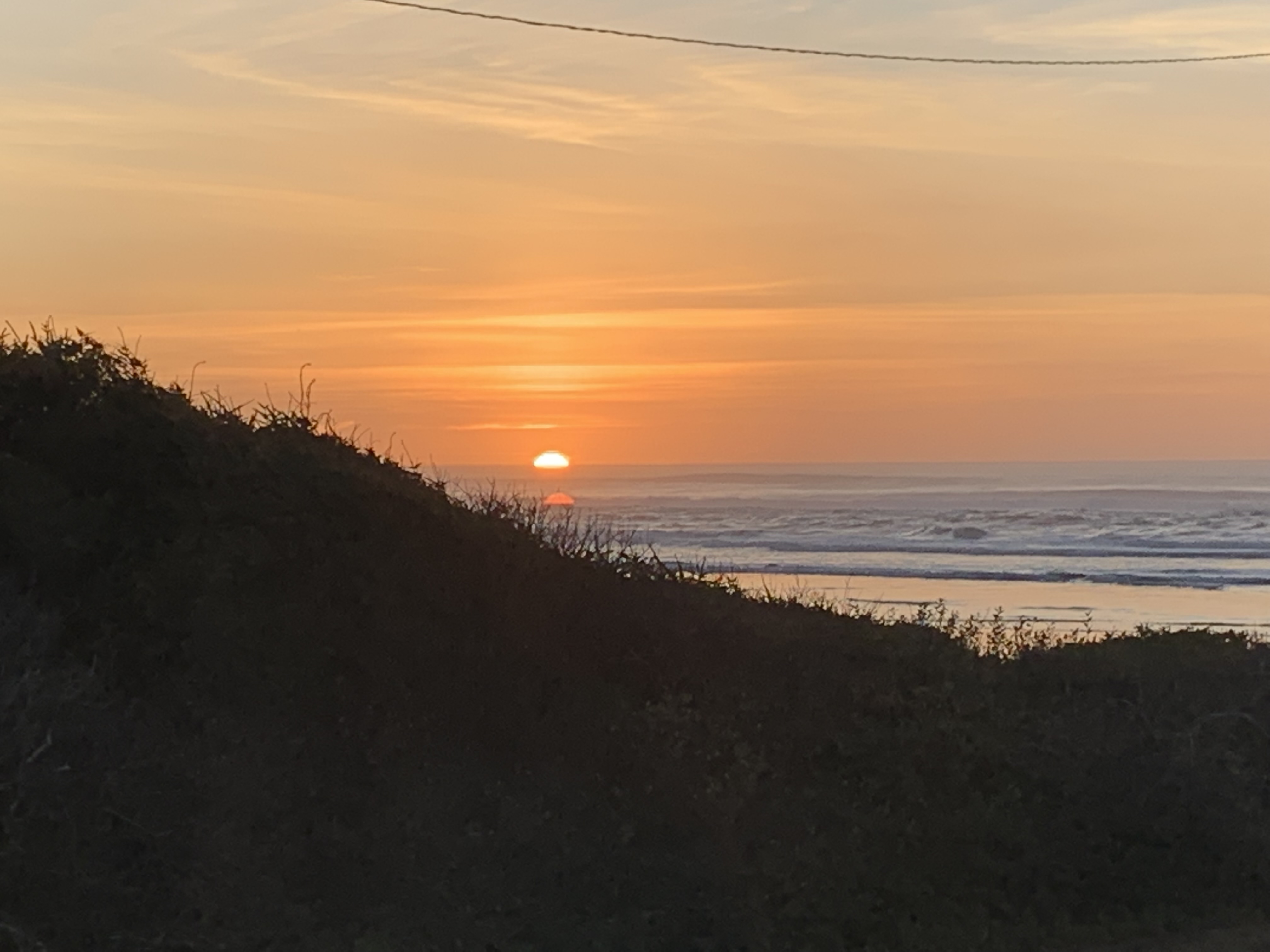
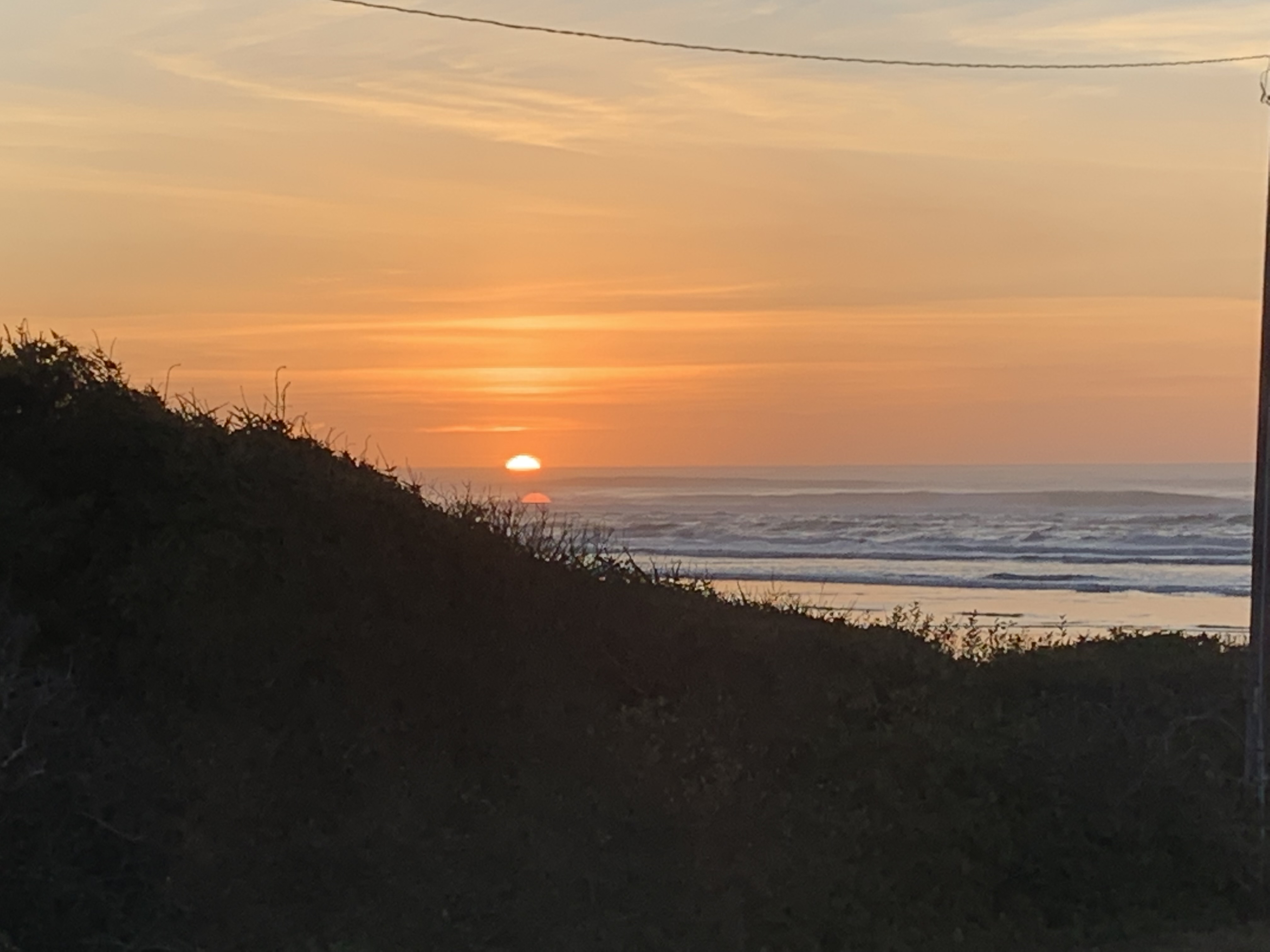
My time at the coast is always precious to me. Early morning walks along the beach provide a space for deep reflection and contemplation. This year, I stayed at a small little motel right on the oceanfront. Amazing views from my room, and easy access to the beach, where walking for miles is possible. Beautiful, invigorating, and peaceful.
The trees have ruddy cheeks after a season of heavy drinking, but as rays and rains retreat, a skeletal hand beckons me to lie in shadow below my favorite tulip tree, amidst the signature pattern of DNA forestry.
If I escape into unknown dark, a place sunlight can never hold, will knowledge be bestowed from the underside of limb and branch? I duck and take a chance, besides enlightenment never trickles. It is always avalanche.
The bark, a sort of braille, is a hidden language, and by touching it we speak, myself and ancient tulip tree, sharing spells through silent system, wrinkled body ‘gainst wrinkled hand. Is that not real wisdom?
The Flush of Fall was inspired by the poem Limbs and Leaves. You can read more of K.’s poetry at Yard Sale of Thoughts.
I am excited to announce that my poem, Glowing Sunrise is now available at Spillwords Press. A big thank you to Dagmara K., and the whole team at Spillwords for publishing this piece, and for their continued support.
Blood Sky
I sit with my mind realizing
the names and forms
dawning like the sun, were given to me as a child
conditioning for sale…
I would be honored if you would go here, and read the rest of my poem. Thank you!
Last week I wrote the article, Vulnerability A Paradox, for the blog, Lampelina, which I really enjoy. Writing this article got me thinking more about vulnerability.
As I was finishing these posts, and reflecting upon all of these articles, I realized there was more to say. Specifically, more to say about vulnerability and resilience. Let’s take a look, shall we.
Vulnerability and Resilience
What do vulnerability and resilience have to do with each other? Maybe it is readily apparent to you; yet, for me, the insight on these two just came this past week. Really. Funny how insight works. Fun.
Alright, before we get into our discussion, let’s define our terms. Important.
Now, though I disagree with the above definition of vulnerability, it works in this particular conversation when we consider resilience as a counterpoint to vulnerability.
Counterpoint meaning that the more vulnerable you are, the more resilient you will become. We must add here, however, that being vulnerable must be done within a context where you are safe and there is trust. Imperative.
When you are in a context that has both safety and trust, being vulnerable suddenly becomes a possibility. Not easy, no. Yet possible.
And, within this possibility, there is space, yes, for development and growth, and yep, for transformation as well; and, there is also space to develop resilience.
You see, when we are open, meaning open to new things, new experiences, new unknowns, we are vulnerable. We have to be. Anytime someone says, you know, I don’t know the answer to that, or don’t know, they are immediately being vulnerable.
Think about how often you say, I don’t know. Humans do not like to not know. Period. We like to know, like to believe we have control, and that we look good and are often right.
However, within a context of looking good and being right, there is no room for growth, no room for vulnerability. You cannot be vulnerable if you know everything.
And, guess what? Even those that say they know, don’t know. Not everything. Not possible. The greatest minds of all time knew this truth.
Really, they did. Let’s take a look at one of them now. Here you go.
“Real knowledge is to know the extent of one’s ignorance.” Confucius
A great quote. What confucius is pointing to in this quote is that when we know the limit of our own knowledge, we are immediately open to learning. Right away.
This then is the real knowledge Confucius is talking about. Knowing that we don’t know everything. Knowing also that to own we don’t know, to be open to learning is being vulnerable. Wise.
When we, however, act as if we know when we don’t, we are closed, and are also closed to learning. Simple. Unwise.
When we are open to being vulnerable, we can enter into contexts where we can learn more. More from people around us that are willing to share of themselves, as we are ready to share with them.
As we enter these vulnerable contexts, which can cause fear and anxiety, we begin to develop our resilience. Really. Right away.
Sometimes people think that being vulnerable means doing something way outside of our comfort zone. That’s possible, yet what is more probable is that we enter into vulnerable contexts, one step or action at time.
Taking small steps is important. And, guess what? Gradually those steps will become larger. Yep. Why?
Because as we develop and grow, what we know grows, just like our resilience, as does our comfort zone. Yep. And, when our comfort zone grows, we feel more comfortable being vulnerable more often.
Remember, however, that it takes time. Development is not a light switch. It is a process. One step and time.
What Can You Do?
When you are ready, take a step outside of your comfort zone into the land of vulnerability. You get to choose the size of that step.
Remember, it’s not about the size of the step, it’s about taking that step; and, taking that step when you are ready.
If you are not yet ready, that’s okay. It is. It’s not about the right or wrong time. It’s about sharing with each other that which we have to share; and moving ourselves and the people around us that we love forward. Doing so when we are ready.
And, you know what?
Know matter what other people have told you, you can do it. You are strong. You are powerful. You are beautiful. You are vulnerable and resilient.
To question, or not to question? Hm. How many times do you remember being in a class, with a group of friends, or in a work environment where you wanted to ask a question, yet didn’t? Yep, me too. Really, we all have those memories.
Many people are afraid to ask questions, to speak up generally. Why? Afraid of looking silly, asking the “wrong” questions, not being taken seriously, or being made fun of. Has happened to all of us at some point.
Yet, the ability to ask questions, to discern relevance out of a context that is unclear, to move toward more clarity, while acquiring more knowledge and adding to the knowledge-base within the context is really important. Why?
Well, let’s ask Socrates, shall we. Here we go.
“True wisdom comes to each of us when we realize how little we understand about life, ourselves, and the world around us.” – Socrates
Powerful. Simply, there is so much unknown about life and the world, that to not ask, to not speak up in a way cheats ourselves and all of humanity out of possible progress.
The topic of questioning is so important. Important to life, the world, the production and eventual dissemination of knowledge, and, yes, it is also very important to our development. Why? Well, I’ve got 10 reasons.
Ready? Very well, let’s go.
Learning
Seems simple, yes? The more questions we ask, the more we learn. Though this concept is simple, in practice, many people struggle to ask the questions they have deep inside them. They do. As was aforementioned, though an extrovert, I too once struggled with asking my questions. The issue? When we don’t ask, we actually carry that question around. Literally. We have it within us, unanswered, which can cause us pain, and frustration.
Knowledge
When we ask our questions, we gain knowledge, and we also contribute to knowledge acquisition. Yep. In every question there lives the possibility of more knowledge. We know so little about life and the world. Yet, with every question that we ask, we create the opportunity for us, and everyone else, to learn more.
Clarity
The more questions we ask, the more clarity we have. And, the more clarity everyone else has. As we learn, so does everyone else. And, as we all learn, we transform the nature of the context we’re in, to a context where questions are possible. A context where those that are fearful of asking questions, as you are, or once were, will be empowered to ask their questions. Powerful.
Collaboration
Asking questions is also the breeding ground for collaboration. When we ask questions, we are naturally contributing to a collaborative context, where learning from each other is embraced. We are actually fostering a collaborative context by asking our questions. Seriously, it is true.
Strategy
Asking questions is also super important to developing and executing on strategy. Without questions, you will only ever produce what was produced yesterday. Questions are the birthplace of strategy. And, with strategy, both concepts and execution, we get movement, and with movement, eventual traction in whatever it is we are doing.
Innovation
Like strategy, innovation depends upon asking questions. Creation and innovation are intertwined with curiosity, and those that are curious ask tons of questions. They have to, they are curious. With questions comes the possibility of innovation, and new ways of seeing and experiencing the world.
Vulnerability
When we ask our questions, we are also being vulnerable. We are modeling an attribute that is a necessity for development. Developmental growth is dependent upon being vulnerable, and when we accept our own vulnerability, even enter into vulnerable spaces intentionally, we will ask our questions.
Leadership
Well, if questions are important to strategy and innovation, they are equally important to leadership. Leaders are interested in what others think, know, and feel. They have to be interested, it’s part of being a leader. And, to learn how people think, know, and feel, you must ask questions.
Trust
When we ask questions we also contribute to a context or environment of trust. When we are actively interested in someone else, and what they know, or how they feel and think, we are modeling trust. Especially when we get back questions from those around us, which by leading through asking questions, we will definitely get.
Relationships
Asking questions means that we get to learn more about those around us, which also means that we get to deepen our relationships with those people. It is inevitable. Learning about someone necessitates a relationship. And being in a relationship means knowing about that person, and to know, we must ask questions.
Alright, there are 10 reasons why asking questions is important to your development. Let’s take a look at how they are interconnected. Ready? Here we go.
When we learn, we know more, and when we know more we have more clarity about our life, yes, and of the lives of those around us. Learning and knowing are part of development. And clarity is an output of learning and knowing more.
When we collaborate with others we get to know people better, and we also get to know ourselves better.
Knowing others better will always shine a light on the parts of ourselves that we want to develop. It is normal, and is also very healthy.
Within a collaborative context that embraces strategy, we also create the possibility of developing an innovative culture. And, inside of an innovative culture, we create more innovative possibilities, which also contributes to future strategies. All of which contributes positively to our development and growth.
I’ve written in other posts that vulnerability contributes to and fosters innovation. Vulnerability is actually where the seeds of innovation will eventually grow. And, like innovation growing through vulnerability, we also develop and grow when we are vulnerable.
Relationships are created, in part, through trust. When we trust each other, we can be real, be vulnerable, learn more from each other, and grow together. When we are open to each other, we get so much more from each other.
Knowing that we, as Socrates might say, know so very little about life and the world. Knowing this fact is at the center of development and growth.
Leadership is dependent upon all of the aforementioned. And, I am not only writing about leaders in the traditional sense. I am also writing about every human on the planet. We all have the opportunity to lead. Lead from within, and from without.
When we lead by asking questions, we model our interest and support of contexts that are open to development and growth. We create more possibilities for ourselves, and for everyone around us.
Possibilities to learn, to know, to have more clarity, to build collaborations and strategy, which foster vulnerability, trust, and relationships; and, that is leading.
Ask your questions, and develop yourself and everyone else around you.
Have you ever heard of the phrase a social construction? Maybe? Well, I hadn’t heard of it until I went back to school in my early 30’s. I was in a class on gender, and the professor said something like, gender is socially constructed.
At first, I was like, wait, what? I had no idea what the professor was talking about. Nope, not at all. As the professor continued to explain the concept, I almost fell out of my chair. Seriously. I was so baffled, confused, and interested, all at the same time.
I grew up in a family where ideas like social constructs were unavailable. Not a judgment, just reality. And, it’s okay. There are many, many families across this country that don’t have access to these kinds of ideas, and knowledge. Part of my passion and mission. Dissemination. Here we go.
Let’s define social constructionism.
“Social constructionism is a general term sometimes applied to theories that emphasize the socially created nature of social life. Of course, in one sense all sociologists would argue this, so the term can easily become devoid of meaning. More specifically, however, the emphasis on social constructionism is usually traced back at least to the work of William Isaac Thomas and the Chicago sociologists, as well as the phenomenological sociologists and philosophers such as Alfred Schutz. Such approaches emphasize the idea that society is actively and creatively produced by human beings. They portray the world as made or invented—rather than merely given or taken for granted. Social worlds are interpretive nets woven by individuals and groups.“
Alright, so the basic idea is that all of life, all if it, is socially constructed. Meaning, simply, that all that we know is created again and again by people. These creations are then shared between and within groups. Shared meaning is derived from these created social constructs, or concepts. What concepts you ask?
All things we see and know. They are all socially constructed. Sometimes groups share and agree on their meaning across cultures, sometimes there are variations specific to particular cultures or geographies.
Why does it matter?
Because if everything we see and know is socially constructed, then all that we argue about, disagree about, and sometimes fight about is based upon ideas and ideals that are created. Created by people.
Understanding that the world is socially constructed is very important.
Important to individuals and how they internalize and understand their place in the world; and, it is also important to how groups understand their relation to each other.
When we know that everything is socially constructed, we have freedom from ideas and concepts, because we know they are not naturally occurring.
You may say, well, love is love and I know what that is, and how it feels to be in love. Yes. And, I am saying that love, even though you feel it, and know it, is still a concept. It is a concept associated with a particular way of being and feeling.
And, guess what? Naturally occurring, or biological concepts, are also social constructions. Tree. Yep. Biological, right? Yet, a tree is still a concept. Believe me. There was a time when a tree was not called a tree. A tree is a concept.
Alright, let’s look at 7 reasons why understanding social constructionsis important.
Gives us freedom from concepts.
Creates access to new knowledge and power.
Provides us a new perspective on how the world occurs.
Empowers us to understand why we internalize concepts as real, even when they are not.
Helps us understand each other on a deeper level.
Assists groups in understanding each other; either how they relate, or how they differ.
Creates an important distinction about language. How we use it, and how it affects how we see and experience ourselves, each other, and the world.
How can you use this information?
Question everything. Important. Here is a quote about questioning that I love.
“We awaken by asking the right questions. We awaken when we see knowledge being spread that goes against our own personal experiences. We awaken when we see popular opinion being wrong but accepted as being right, and what is right being pushed as being wrong. We awaken by seeking answers in corners that are not popular. And we awaken by turning on the light inside when everything outside feels dark.” -Suzy Kassem
You can find quote after quote online about asking questions. Really. Asking questions is that important. Questioning that which others take for granted as real, or right, or wrong, gives you an immediate advantage. How?
Because most people won’t ask. They believe in what they see, hear, feel, and think they know. Why? It’s easier. More comfortable. Not a judgment. It’s okay not to question.
However, when we ask our questions, and actively participate in the contexts we are living in, we get back much more. Much, much more.
My invitation to you is to ask questions. You know, the ones that you’ve been holding onto for years. You know they’re there. And, it’s okay. It’s even okay to hold onto them, if you want to. However, it is way more fun to ask them. Way more. 🙂
Alright, that concludes the first part of the social construction series. Next time? Funny you should ask. I’ve already come up with it.
The social construction of knowledge. Will be fun.
Have you ever considered your blind spots? No? Probably not, seeing as we are blind to them. What in the world are they, and how do they function; and, even more importantly, what can we do about them? Alright, let’s take a look.
What is a blind spot; and, how do they function?
You know what you know, right? Okay. Let me write it this way. You are aware of all those things that you know about, yes? Yes, good. How about those things that you know you don’t know. Yes? Good. Last one. How about those things that you don’t know you don’t know? Hm. A little different, right. Yep. That’s right. That’s your blind spot.
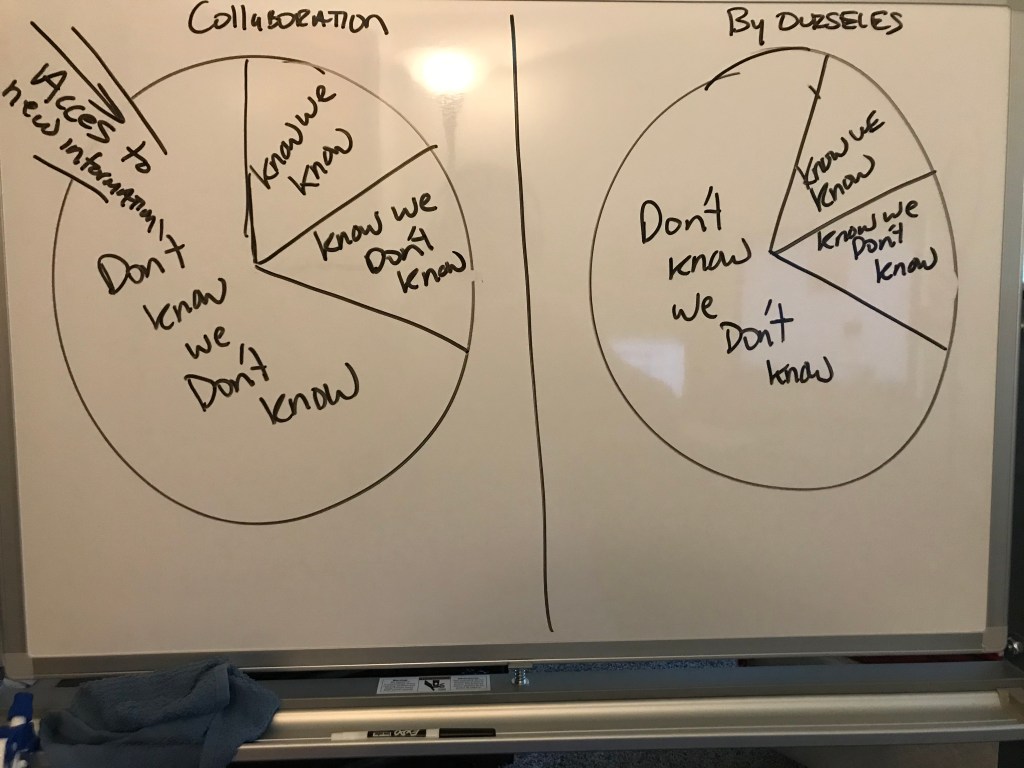
We all have them. And, they are all different. Meaning, that we all have different things that we don’t know we don’t know. Phew. A little semantical, I know. Hm. Let’s do a whiteboard real quick to show you. I also feel another video coming.
July 13, 2020
There we go, better. Let’s say that the circle encompasses all that is knowable. Got it, okay. Now, as you can see, the sections of that which we know we know, and know we don’t know, are much smaller than all that we don’t know we don’t know. A very important distinction. Why?
Because what this simple illustration shows, and what I am pointing to in this post is that there is a vast amount of information (knowing) that is available to all of us, yet is not accessible to most people. Why? Because that which we don’t know we don’t know lives in our blind spot. What can we do?
What can we do?
First, we can become aware. Check. Now what? Well, we can create access to those blind spots. How, you ask? By being open to those that we are surrounded by.
Yep. It is those people that surround us inside of an open communication system where we can learn about our blind spots. Important. Here is another whiteboard to illustrate.
July 13, 2020
What this whiteboard creates is an important distinction that I’ve written about quite extensively on this website, and in many other contexts. Relationships and the interdependent nature of those relationships equals collaboration; and collaboration is where the access is. Yep.
As a matter of fact, the Monday message that went out to the team I work with today, was all about relationships, and just how important they are in all of our lives.
It is through these relationships that we can gain access to our blind spots. Don’t have those kinds of relationships? That’s okay.
You can create them. Really. You can. Why wait. There are so many people on this planet that are interested in the things that you are interested in.
You know things about your interest, and so will they. And, I can guarantee you that you will both learn from each other. Uncovering blind spots for each other along the way. No matter what the topic.
What we are discussing in this post has been written about for thousands of years. Here is an example.
“True wisdom comes to each of us when we realize how little we understand about life, ourselves, and the world around us.” -Socrates (469-399 B.C.)
I love this quote. There are many others like it, written similarly across all cultures. When we recognize that we know way less than there is to learn, and know, we immediately become open to new experiences, and new perspectives.
When we are open, and are in conversation and relationships with people that are interested in our growth, as we are in theirs, our blind spots are regularly pointed out. That is learning. It is the best kind of learning.
Ever heard of the socratic method? Here’s a snippet.
“In the Socratic method, the classroom experience is a shared dialogue between teacher and students in which both are responsible for pushing the dialogue forward through questioning.”
I too love this quote, however, I’m going to offer you a new way to think about it. Consider that the world is your classroom, and that everyone you meet, and are in relationships with can be the person that you share this kind of learning experience with. Truly.
When we are open, interested in learning from someone more than expounding on that which we know, we can learn something from almost anyone we meet.
Really. It is a beautiful experience.
Of course, we must be willing to, in a way, let go of that which we know. Let it go, and start listening, and taking in that which other people know. In the end, guess what? We end up knowing more. Yep.
When, however, we aren’t open, guess what? We get to keep that which we know, yes; yet, we miss out on the opportunity to add to that which we know. A truly missed opportunity.
My invitation to you
Don’t let those learning opportunities pass you by. Grab them while they are here. And, offer them back to those that you meet. For, they, like you, have something to learn from you.
We all have something to learn from each other. And, when we approach our relationships and interactions with that attitude. Phew. We can learn so much. You can learn so much. Start today.
Ask questions, listen, and believe. Believe in your ability to add to that which you know, and to contribute to someone else’s knowledge base. You can.
That is movement. Movement for yourself, for those you are in relationships with, and for all of humanity.












 Develop. Inspire. Transform.